9 Reasons Pelvic Floor Physiotherapy Is Becoming More Common

9 Reasons Pelvic Floor Physiotherapy Is Becoming More Common
What’s Driving the Growing Interest Near Derry Road?
Pelvic Floor Physiotherapy has become a familiar topic for many individuals in the Derry Road area seeking movement-centred approaches to pelvic health. People are asking more questions, exploring more non-invasive methods, and examining how Pelvic Floor Physiotherapy fits into daily routines. With more clinics providing access and more awareness than ever before, the shift is noticeable.
Before exploring the nine reasons behind this growing interest, it helps to break down what Pelvic Floor Physiotherapy entails, why it has attracted so much attention, and how people are integrating it into routine care.
What Pelvic Floor Physiotherapy Addresses in Everyday Life
Pelvic Floor Physiotherapy focuses on the function of the pelvic floor muscles, which act as a foundational group of tissues involved in breath, pressure control, posture, and movement. These muscles work with the diaphragm, lower back, and abdominal region to help stabilize the body during walking, lifting, sitting, and reaching.
Many people initially believe pelvic care relates only to one stage of life. Still, Pelvic Floor Physiotherapy is relevant to a much broader range of daily experiences. Factors such as prolonged desk work, athletic activity, childbirth, lifestyle changes, or age-related shifts can influence how these muscles function. As awareness grows, so does interest in Pelvic Floor Physiotherapy as a steady, education-based approach that helps people pay closer attention to how their bodies move.
Why Pelvic Floor Physiotherapy Is Expanding Across Communities
1. Rising Conversations Around Pelvic Health
Public awareness has expanded dramatically through online platforms, community workshops, and everyday conversations. More people are now openly discussing pelvic concerns and showing how Pelvic Floor Physiotherapy fits into general wellness. This visibility encourages individuals on Derry Road and the surrounding neighbourhoods to explore pelvic care earlier.
2. Increased Recognition of How the Pelvic Floor Influences Motion
Core control is not only about abdominal strength. Many now realize that the pelvic floor plays a significant role in how the body performs tasks such as bending, lifting, stepping, and transitioning between sitting and standing. Pelvic Floor Physiotherapy connects these actions with muscle coordination, encouraging people to seek assessment before issues escalate.
3. Postpartum Awareness Has Become Widespread
Many new parents discover that postpartum recovery involves more than rest and gradual activity. Pelvic Floor Physiotherapy has become a regular topic in prenatal classes, parent groups, and online communities. The emphasis on rebuilding pelvic support after childbirth has brought Pelvic Floor Physiotherapy into routine postpartum considerations.
4. Athletes Are Incorporating Pelvic Floor Physiotherapy Into Training
Runners, lifters, dancers, and recreational athletes are learning that pelvic control contributes to force transfer, balance, and technique. Pelvic Floor Physiotherapy offers education about breathing patterns, load management, and pressure strategies that athletes find valuable. With more people participating in fitness programs, this type of care has naturally become more common.
5. Desk Work Has Made Posture and Breathing a Priority
Long periods of sitting at work influence how the ribs, diaphragm, and pelvic floor interact. Many people notice stiffness, irregular breathing patterns, and tension in the pelvis or lower back after a full day at a desk. Pelvic Floor Physiotherapy offers movement strategies that help retrain these patterns, encouraging healthier mechanics during work hours.
6. Online Education Has Sparked Curiosity
Short videos and visual explanations have helped people understand pelvic anatomy in straightforward ways. Once individuals see diagrams or simple demonstrations online, Pelvic Floor Physiotherapy becomes far less unfamiliar. This leads many to schedule assessments at our clinic to ensure they’re following safe and appropriate methods.
7. Local Clinics Are Making Pelvic Floor Physiotherapy Easier to Access
As clinics continue to expand services, Pelvic Floor Physiotherapy has become more available in suburban communities like the Derry Road corridor. When people see a nearby clinic that provides pelvic assessments, the process no longer feels distant or difficult to start. Convenience plays a significant part in why this form of care is increasing in popularity.
8. The Approach Complements Common Lifestyle Goals
Many people seek Pelvic Floor Physiotherapy because it aligns seamlessly with common goals: improving mobility, refining core mechanics, managing daily movement demands, and enhancing coordination during routine activities.
Practical habits that support pelvic function include:
- Using controlled breathing during daily tasks
- Paying attention to abdominal tension while lifting items
- Practising gentle core activation during slow movements
- Adding short walks throughout the day
- These habits form a strong foundation, and Pelvic Floor Physiotherapy builds on them with structured guidance from a trained physiotherapist at our clinic.
9. People Want A Clinic-Based Approach That Feels Practical and Connected
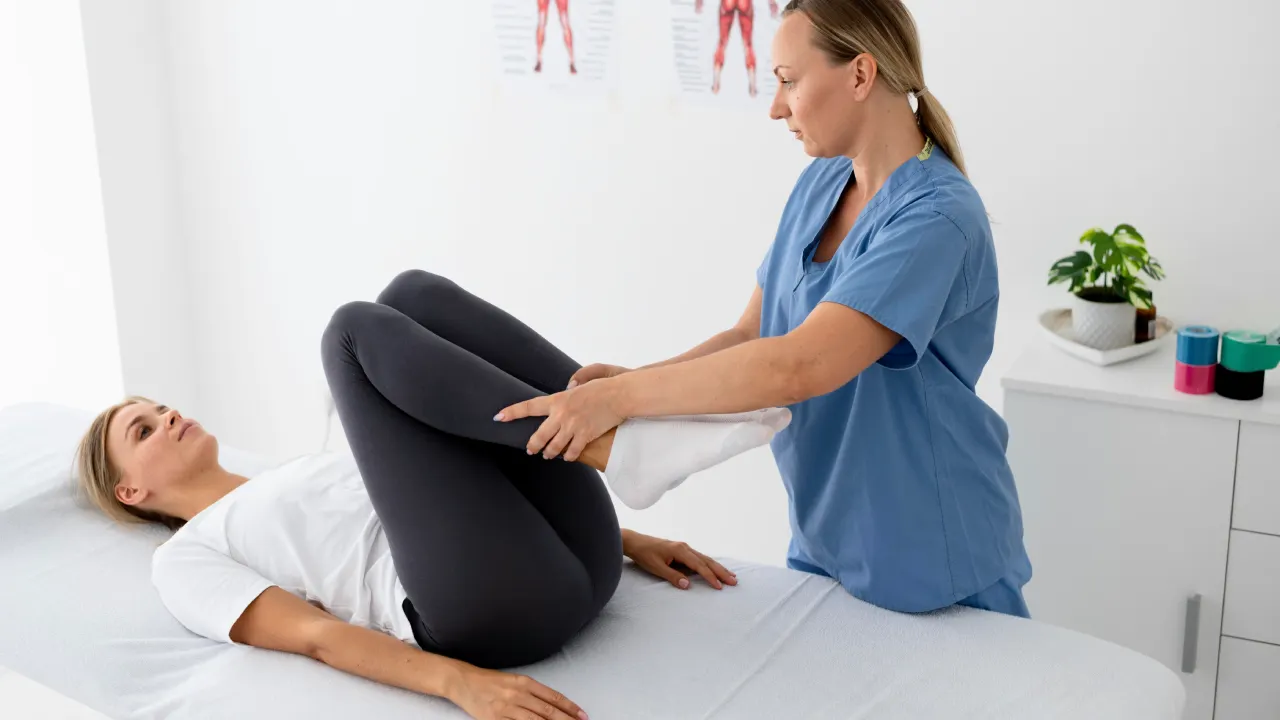
As Pelvic Floor Physiotherapy becomes more common, many seek care that blends assessment with movement training in a supportive clinic environment. People appreciate a setting where they can learn step by step, feel heard, and build confidence in their daily movement patterns.
This connection to a clinic team helps individuals stay committed to Pelvic Floor Physiotherapy, creating steady progress that carries over into daily life.
A Clinic Option for Those Near Derry Road
Pelvic Floor Physiotherapy appeals to those who prefer a consistent, movement-centred approach to their own care. Many people tell us they appreciate our calm, education-focused environment, where we listen to their concerns and guide pelvic health with clear direction and steady progression.
If you’re in the Derry Road area and looking to begin your experience with Pelvic Floor Physiotherapy, you can schedule a visit with Hands That Cure Physical Therapy & Rehab Clinic, where you’ll find a welcoming space to explore pelvic-related concerns and build practical movement strategies at a pace that suits your daily life.