7 Physiotherapy Tips for Supporting Mobility at Home

7 Physiotherapy Tips for Supporting Mobility at Home
Simple Home Habits That Can Support Easier Movement
Mobility is part of many everyday activities, including walking, standing from a chair, climbing stairs, reaching for items, and completing household tasks. Stiffness, weakness, balance concerns, or limited joint movement may make these activities more challenging. For people in Mississauga, simple home habits such as regular movement, gentle exercises, safe positioning, and activity breaks can support daily mobility. Physiotherapy may help identify movement limitations and suggest suitable strategies. Small, consistent changes can encourage regular activity while supporting strength, flexibility, coordination, and confidence during everyday movements at home.
1. Begin the Day with Gentle Movement
After several hours of sleep, the body may feel stiff or less mobile. Starting the morning with gentle movement can help prepare the body for daily activities.
Try simple movements such as
- Slowly moving the ankles up and down
- Gently bending and straightening the knees
- Moving the shoulders through a comfortable range
- Turning the head slowly from side to side
- Opening and closing the hands
- Taking a few relaxed walks around the home
The movements should remain within a comfortable range. Avoid forcing a joint into a position that causes sharp or increasing discomfort.
A Physiotherapy assessment can help determine which movements may be suitable when stiffness continues or mobility has changed.
2. Break Up Long Periods of Sitting
Many people spend several hours sitting while working, watching television, reading, using a computer, or travelling. Staying in one position for extended periods may contribute to stiffness and reduced movement.
Try adding short activity breaks throughout the day. For example, stand up every 30 to 60 minutes, walk around the room, stretch gently, or complete a few sit-to-stand movements if they are safe for you.
You can also make everyday tasks more active. Walk to another room instead of calling someone, take a few extra steps while completing household chores, or stand while talking on the phone.
These small changes can add more movement to the day without requiring a separate workout session.
3. Practice Safe Sit-to-Stand Movements
Getting up from a chair is a common movement that requires leg strength, balance, coordination, and trunk control. Practicing this movement can be useful for people who find standing from a seated position difficult.
Choose a stable chair with enough height to allow safe movement. Sit with your feet positioned firmly on the floor. Lean your upper body slightly forward, press through your feet, and rise in a controlled manner. Once standing, pause before walking.
When sitting down, move slowly and control the descent rather than dropping into the chair.
If you have significant weakness, dizziness, balance concerns, or a recent injury, speak with a qualified physiotherapy professional before practicing repeated sit-to-stand exercises.
4. Add Gentle Strength Exercises
Muscle strength contributes to everyday mobility. Stronger legs and a stable trunk can support activities such as walking, climbing stairs, getting out of bed, and carrying light household items.
Depending on your physical abilities, simple exercises may include:
- Supported heel raises
- Seated knee extensions
- Wall-supported mini squats
- Standing leg movements while holding a stable surface
- Seated marching
- Controlled sit-to-stand repetitions
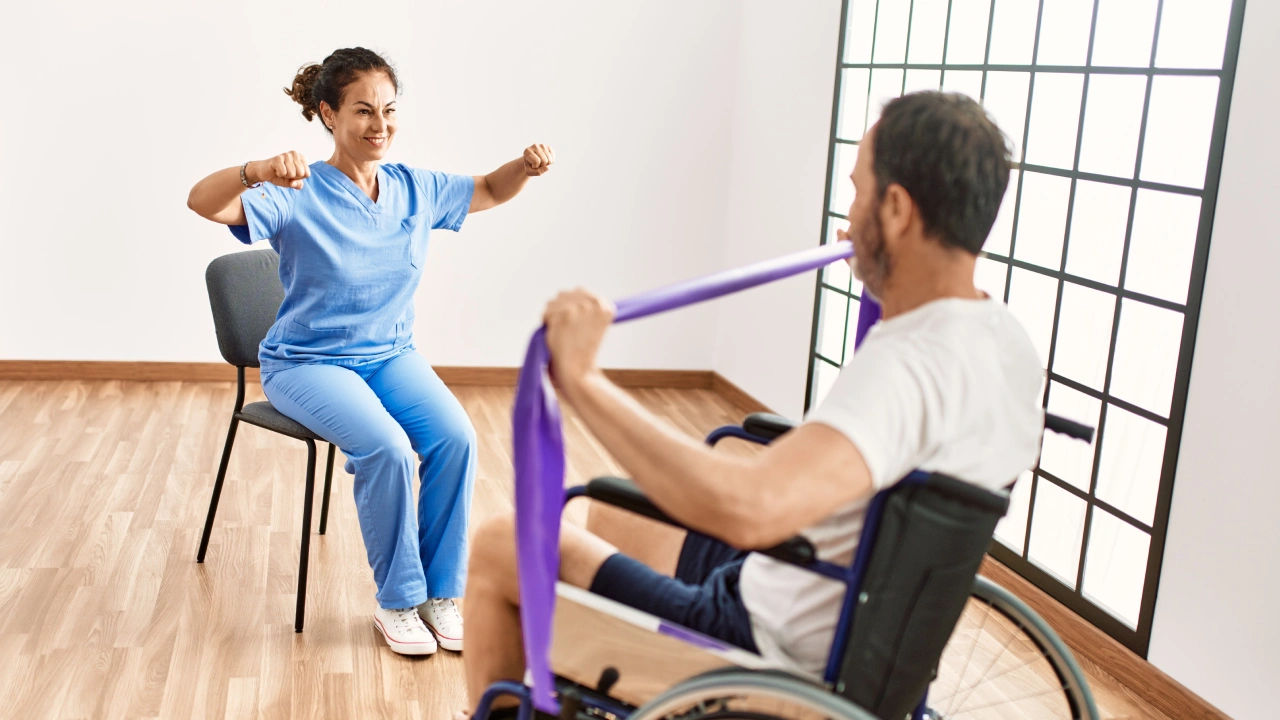
Start with a small number of repetitions and focus on controlled movement. The appropriate exercise level can vary based on age, fitness, injury history, and existing health concerns.
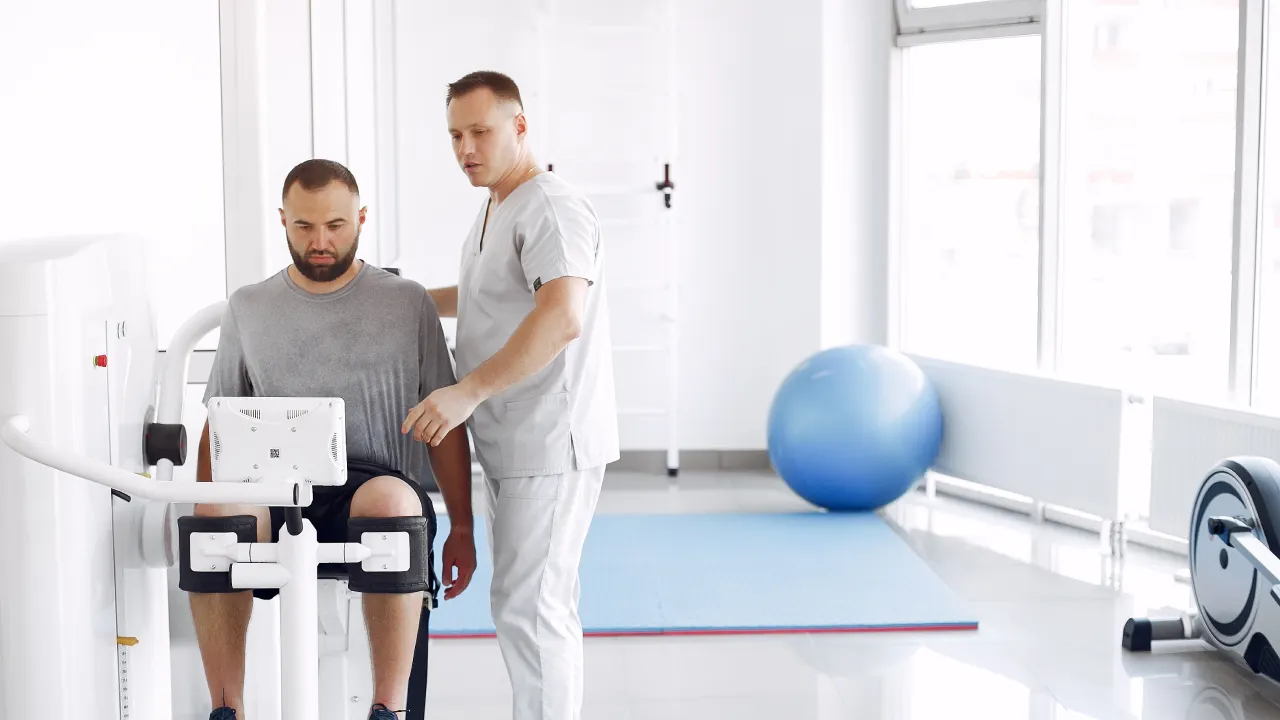
A physiotherapist can assess your movement and suggest exercises that match your current abilities.
5. Make Walking Part of Your Routine
Walking is one of the simplest ways to keep moving throughout the day. You do not necessarily need a long walk to add useful activity. Several shorter walks can fit into a busy schedule.
For example, you could walk around your home in the morning, take a short outdoor walk after lunch, and move around again in the evening.
If you are returning to activity after an injury or period of reduced mobility, increase walking gradually. Pay attention to changes in symptoms, fatigue, balance, and movement quality.
For people in Mississauga, local parks, neighbourhood paths, shopping areas, and community spaces can provide opportunities to add walking into regular routines when weather and personal circumstances allow.
6. Improve Your Home Movement Setup
Your surroundings can influence how easily and safely you move. Cluttered walkways, loose rugs, poor lighting, and frequently used items placed too high or too low may create unnecessary challenges.
Consider making practical changes such as
- Keeping frequently used walking areas clear
- Improving lighting in hallways and stair areas
- Placing everyday items within a comfortable reach
- Using stable furniture for support when appropriate
- Keeping cords and small objects away from walking paths
- Wearing suitable footwear around the home
If stairs are part of your daily routine, avoid rushing. Use available handrails and take your time when moving between levels.
A home movement review as part of Physiotherapy may help identify practical changes that could support safer daily activity.
7. Practice Balance and Coordination Safely
Balance supports walking, reaching, changing direction, and moving across different surfaces. Try gentle weight shifts while standing near a sturdy counter, or practice controlled heel-to-toe movements with stable support nearby. Keep balance exercises away from stairs, slippery floors, and other hazards. If you have balance difficulties or a history of falls, seek professional assessment before exercising independently. Physiotherapy may include balance activities, movement assessment, exercise instruction, and practical strategies for safer everyday movement.
Why Physiotherapy May Help With Common Movement Challenges
Movement difficulties can arise from reduced activity, injuries, joint stiffness, muscle weakness, balance changes, repetitive tasks, or recovery after surgery. These issues may affect walking, standing, reaching, lifting, climbing stairs, or completing household activities.
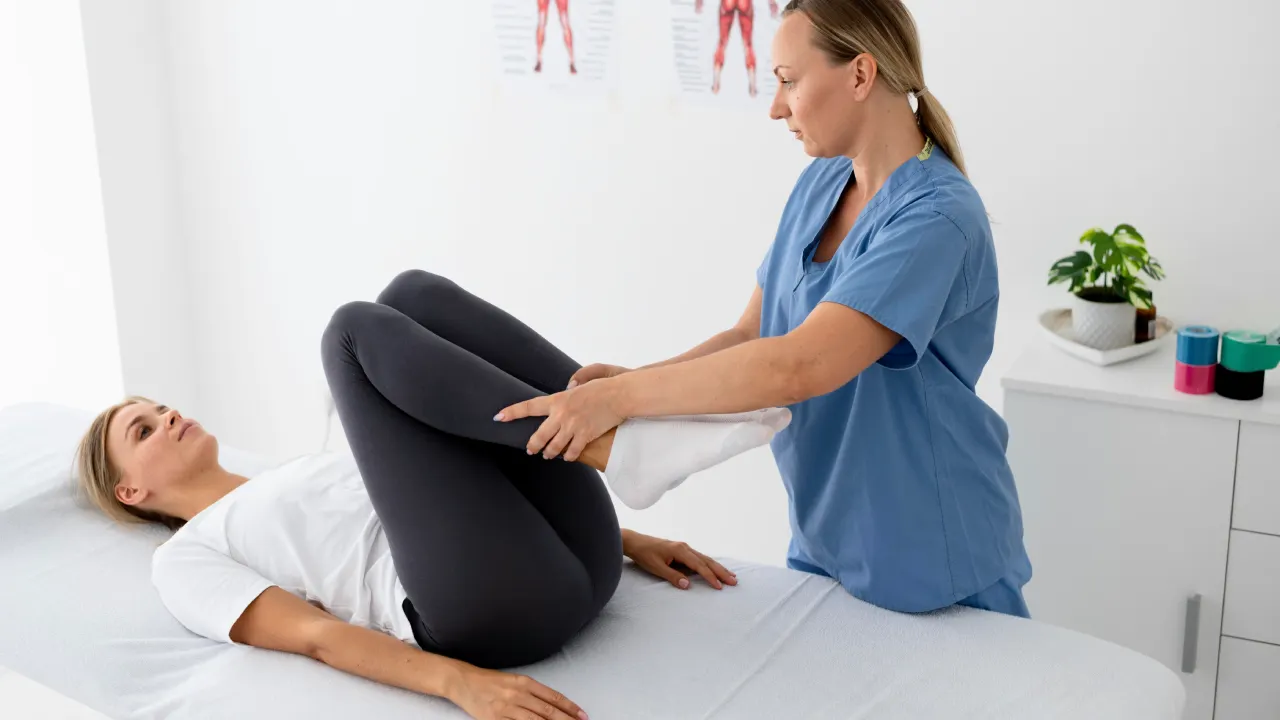
Physiotherapy focuses on assessing movement and identifying factors that may affect daily function. Sessions may include therapeutic exercises, mobility activities, balance practice, strengthening, movement education, and activity adjustments.
For example, someone having difficulty with stairs may work on leg strength and balance, while someone with shoulder stiffness may focus on mobility exercises. Those returning to activity after an injury may follow a gradual activity plan.
Physiotherapy may also teach safer ways to perform everyday movements, including getting out of bed, standing from a chair, walking, reaching, and lifting. The approach depends on symptoms, physical abilities, daily activities, and individual goals.
How to Build a Consistent Home Mobility Routine
Consistency matters when adding movement to daily life. Rather than trying to complete a long exercise session immediately, start with manageable activities.
A simple routine could include:
Morning: Gentle joint movements and a short walk around the home.
Midday: A few minutes of walking and selected strengthening exercises.
Afternoon: A brief movement break after sitting.
Evening: Gentle mobility exercises and controlled sit-to-stand practice if appropriate.
Record how your body responds. If an exercise causes sharp discomfort, significant swelling, dizziness, or another concerning symptom, stop and seek appropriate medical advice.
The right amount of activity can vary from one person to another. Physiotherapy assessment can help clarify which movements may be suitable and how activities can be progressed safely.
Supporting Mobility Through Everyday Activities
Mobility does not only come from formal exercise. Everyday activities can provide opportunities to move more often.
Household chores, preparing meals, walking while speaking on the phone, gardening, shopping, and taking short walks can all contribute to daily activity.
The key is to avoid spending most of the day in one position. Regular changes in posture and short periods of movement can make an active routine easier to maintain.
If mobility is becoming more difficult, do not ignore the change. A movement assessment may help identify factors contributing to the problem and provide practical steps for managing daily activities.
Why Choose Hands That Cure Physical therapy & Rehab Clinic in Mississauga?
Hands That Cure Physical therapy & Rehab Clinic can support people who want to address movement challenges and build practical activity habits. The clinic can assess mobility, strength, balance, and functional movement while considering how these factors affect daily activities.
Whether the concern involves stiffness, reduced strength, balance difficulty, limited mobility, or returning to activity after an injury, a physiotherapy assessment can help identify suitable next steps.
For residents of Mississauga, having access to a local clinic can make it easier to incorporate movement care into a routine.
Frequently Asked Questions
1. How often should I practice mobility exercises at home?
The frequency depends on your condition, activity level, exercise selection, and clinical recommendations. Some gentle movements may be suitable daily, while strengthening exercises may require rest between sessions.
2. Can I do Physiotherapy exercises without an assessment?
Some basic mobility activities may be appropriate for many people, but exercises should match your physical abilities and health situation. An assessment can help identify suitable movements and reduce the chance of aggravating an existing issue.
3. Can home exercises help with balance?
Balance exercises may support balance and coordination when selected appropriately. People with significant balance problems or a history of falls should seek professional assessment before attempting challenging balance activities.
4. What should I do if an exercise causes discomfort?
Stop the activity if you develop sharp, worsening, or unusual symptoms. If the issue continues, speak with a qualified healthcare professional for assessment.
5. When should I consider Physiotherapy for mobility concerns?
Consider seeking assessment when mobility difficulties persist, interfere with daily activities, follow an injury, or make walking, stairs, transfers, or other routine movements difficult.
Take the Next Step Toward More Active Days
Small movement habits can become an important part of daily life. Gentle mobility exercises, regular walking, strength work, balance practice, and a safer home setup may all contribute to more confident everyday movement.
If mobility concerns are affecting your routine in Mississauga, contact our Clinic to discuss your needs. A Physiotherapy assessment can help identify movement limitations and provide practical strategies for your daily activities.
Contact Hands That Cure Physical therapy & Rehab Clinic located at 2760 Derry Rd W #3, Mississauga, ON L5N 3N5, Canada, or call +1 905-997-3026 today to schedule an assessment and take a practical step toward supporting mobility at home.