9 Benefits of Visiting Physiotherapy Clinics for Better Mobility
9 Benefits of Visiting Physiotherapy Clinics for Better Mobility
How Physiotherapy Clinics in Mississauga Can Support Everyday Mobility
Mobility plays an important role in everyday life. Walking around the neighbourhood, climbing stairs, exercising, working at a desk, carrying groceries, or enjoying recreational activities all require the body to move comfortably and efficiently. When stiffness, an injury, weakness, or movement limitations interfere with these activities, physiotherapy can become part of a practical plan for improving physical function.
For residents of Mississauga, access to physiotherapy can make it easier to address movement-related concerns while continuing with daily responsibilities. Physiotherapy Clinics can assess how the body moves, identify areas that may be contributing to mobility difficulties, and provide exercises and physical techniques that support functional movement.
At Hands That Cure Physical Therapy & Rehab Clinic, physiotherapy services can be used for a wide range of movement concerns. Whether someone is returning to activity after an injury, dealing with stiffness, or looking to improve physical function, a structured physiotherapy plan can support progress through movement-based care.
What Is Physiotherapy?
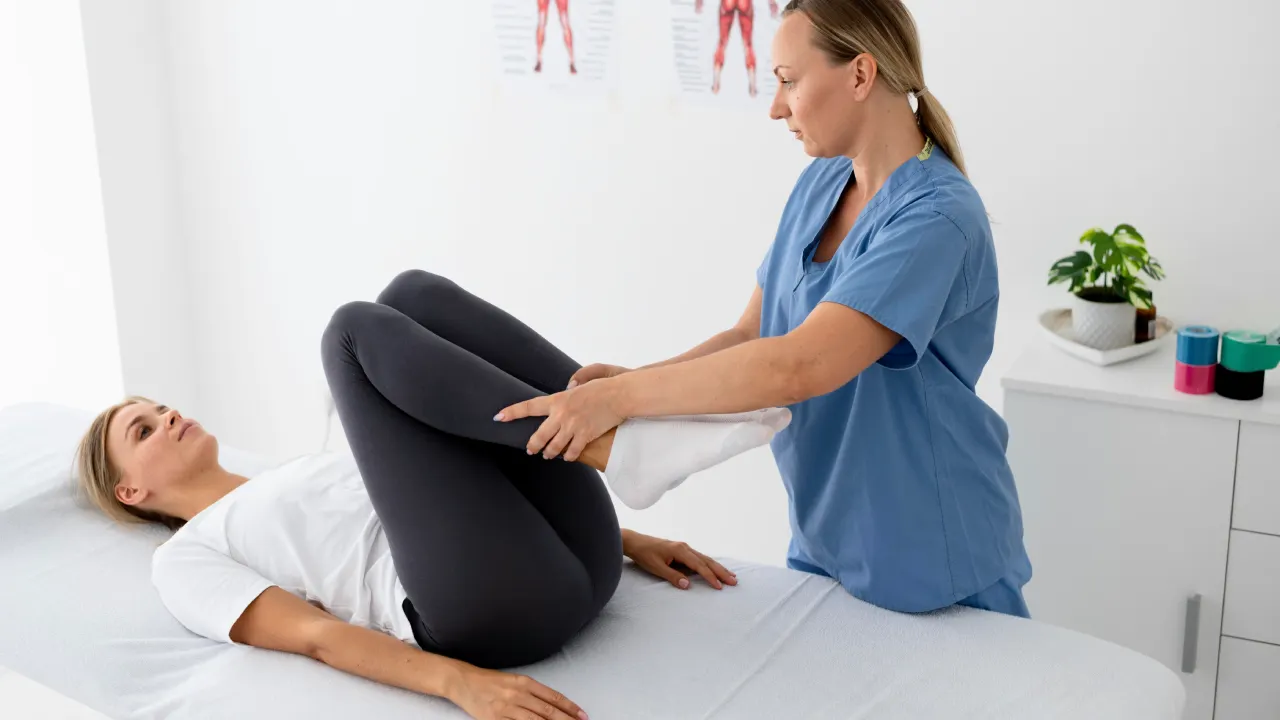
Physiotherapy is a form of physical rehabilitation that focuses on movement, function, strength, flexibility, coordination, and physical performance. A physiotherapist may assess posture, joint movement, muscle strength, balance, walking patterns, and other physical factors to determine how a person moves.
Treatment may include therapeutic exercises, mobility activities, stretching, strengthening, manual techniques, balance exercises, and education about movement habits. The specific approach depends on the individual's physical condition, goals, activity level, and assessment findings.
The aim is not simply to focus on one uncomfortable area. Physiotherapy looks at how different parts of the body work together during movement and daily activities.
9 Benefits of Visiting Physiotherapy Clinics for Better Mobility
1. Support for Improved Joint Movement
Restricted joint movement can make ordinary activities feel difficult. Stiffness in areas such as the shoulders, hips, knees, ankles, or spine can affect how comfortably a person walks, reaches, bends, or changes position.
Physiotherapy Clinics can assess joint mobility and introduce exercises that encourage controlled movement. Stretching and mobility activities may be included when appropriate, helping individuals work gradually toward a wider and more comfortable range of motion.
Improving joint movement can also make everyday tasks easier to perform and may help people participate in activities they previously avoided because of limited mobility.
2. Building Strength for Everyday Activities
Muscle strength contributes to stability, balance, posture, and functional movement. Weakness can develop after an injury, surgery, prolonged inactivity, or periods of reduced physical activity.
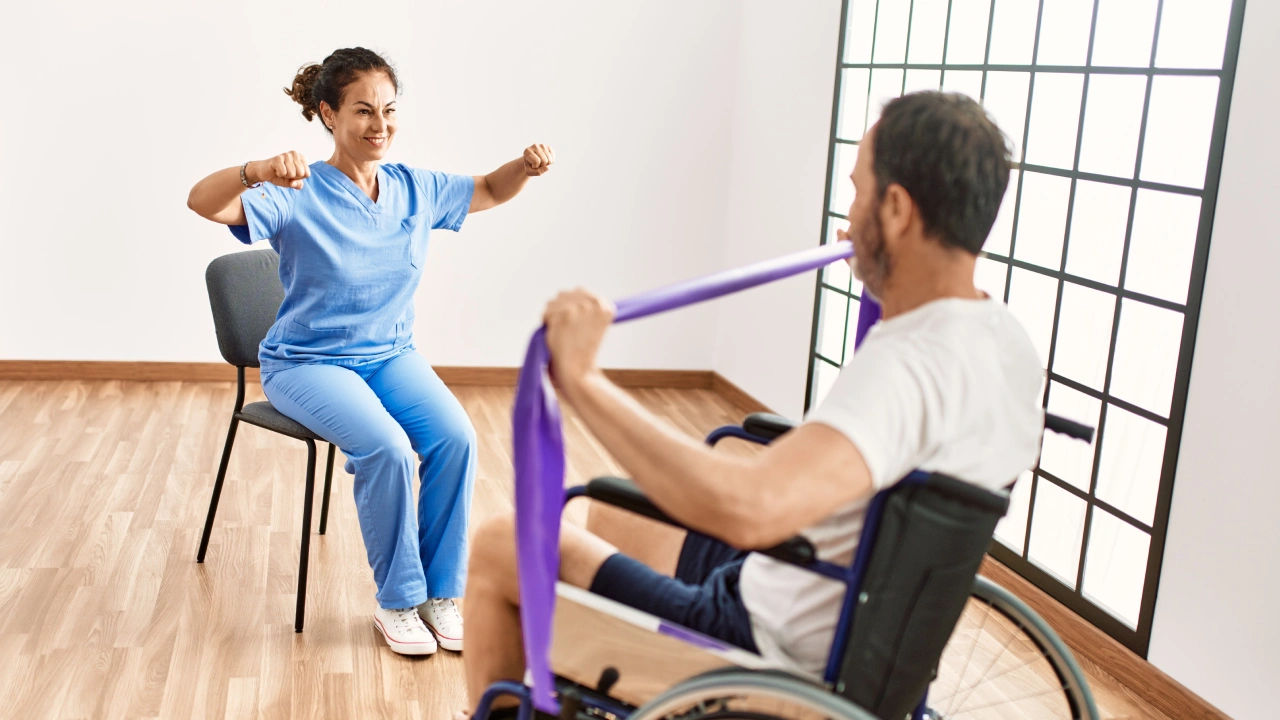
Physiotherapy may include progressive strengthening exercises that target specific muscle groups. These exercises can be selected according to the person's current abilities and gradually adjusted as their physical capacity changes.
For someone in Mississauga who wants to return to walking, recreational activities, gym workouts, or other routines, strengthening can form an important part of a movement-focused plan.
3. Supporting Balance and Coordination
Balance is important for walking, changing direction, getting up from a chair, using stairs, and participating in physical activities. Poor coordination or reduced balance can affect confidence during movement.
Physiotherapy sessions may include balance drills, coordination activities, functional exercises, and movement practice. These activities can help a person become more aware of body positioning while performing everyday tasks.
Physiotherapy Clinics can also assess movement patterns that may contribute to balance difficulties and identify exercises that fit the individual's abilities.
4. Assistance During Injury Recovery
Injuries can temporarily affect strength, flexibility, coordination, and range of motion. Returning to normal activities too quickly may place unnecessary stress on an affected area, while avoiding movement for too long can contribute to stiffness and weakness.
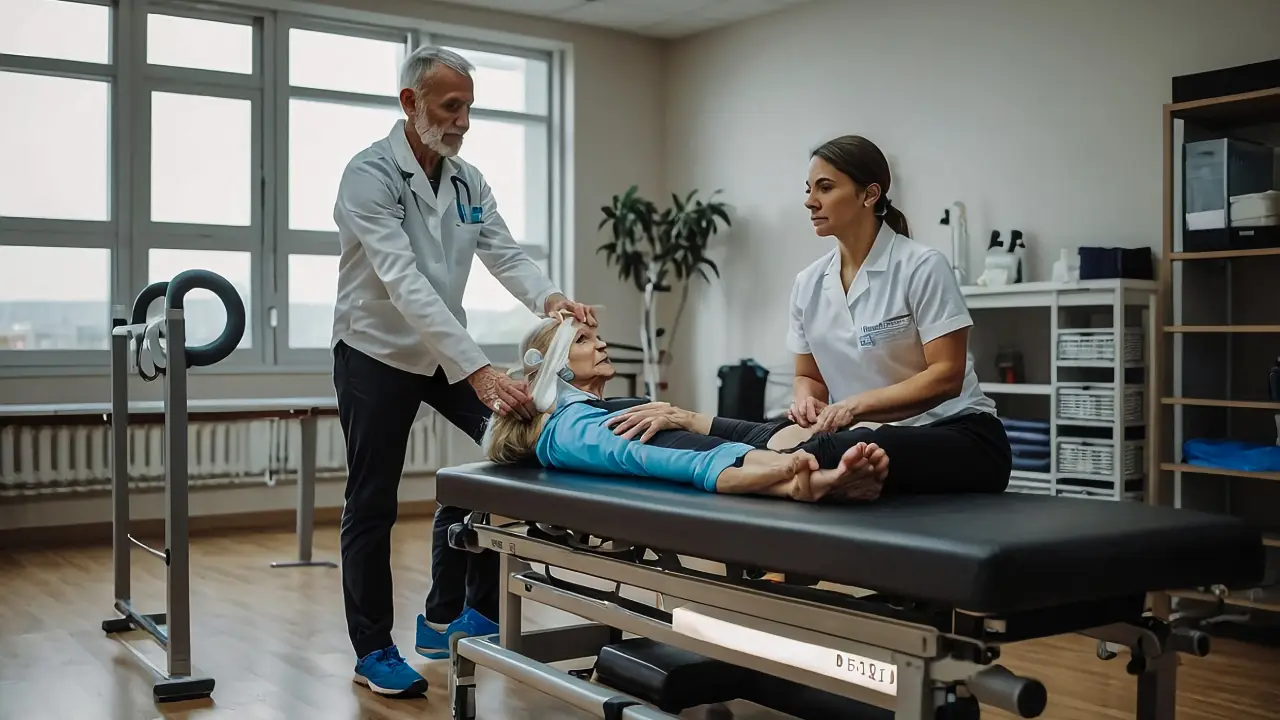
Physiotherapy can provide a structured approach to returning to activity. A physiotherapist may introduce exercises in stages, monitor movement, and make adjustments as physical capacity changes.
For people recovering from sports injuries, workplace injuries, falls, strains, or other physical concerns, physiotherapy can be part of the rehabilitation process.
5. Improving Functional Movement
Mobility is more than the ability to move a joint. It also involves how the entire body works together during functional activities.
A physiotherapist may look at movements such as squatting, reaching, walking, standing, sitting, lifting, or climbing stairs. This can help identify movement patterns that may be limiting daily function.
Physiotherapy Clinics can provide exercises that relate directly to everyday activities. Functional training may make it easier for people to practice movements that are relevant to their work, home responsibilities, hobbies, and exercise routines.
6. Supporting an Active Lifestyle
Physical activity can include much more than structured workouts. Walking, cycling, swimming, recreational sports, gardening, dancing, and playing with children are all forms of movement.
When stiffness or physical limitations interfere with these activities, physiotherapy may help individuals work on strength, flexibility, balance, and movement control.
People who regularly exercise can also use physiotherapy as part of their overall physical routine when they are dealing with an injury or movement limitation.
How Physiotherapy Clinics Can Fit into an Active Lifestyle
An active lifestyle requires the body to handle repeated movement. This may include walking to work, attending fitness classes, participating in sports, cycling through Mississauga, or spending weekends outdoors.
Physiotherapy can fit into an active routine by focusing on movement quality, strength, flexibility, and functional capacity.
For example, someone who enjoys running may work on lower-body strength and movement control. A person who plays recreational sports may focus on balance and functional strength. Someone who spends many hours at a desk may work on mobility and movement habits that support their daily routine.
Physiotherapy Clinics can also help people understand how to manage activity levels while recovering from an injury. Instead of stopping all movement, a physiotherapist may recommend suitable exercises or modifications based on the person's current physical abilities.
This can make physiotherapy a practical part of an active lifestyle rather than something used only when a person has significant movement limitations.
7. Help With Posture and Movement Habits
Posture and movement habits can influence how the body handles everyday activities. Sitting for long periods, repetitive work, frequent lifting, or poor movement mechanics may contribute to physical strain.
Physiotherapy may include education about body positioning, workstation habits, lifting techniques, movement breaks, and exercise routines.
A physiotherapist can also observe how someone performs specific movements and suggest adjustments where appropriate.
For Mississauga residents who spend long hours working at a desk or performing physically demanding tasks, developing practical movement habits can be an important part of maintaining physical function.
8. Encouraging Consistent Exercise
Starting an exercise routine is one step; maintaining it safely and consistently is another. Physical limitations can make it difficult to know which activities are appropriate.
A physiotherapy program can introduce exercises that match an individual's current abilities and gradually increase the challenge as their capacity develops.
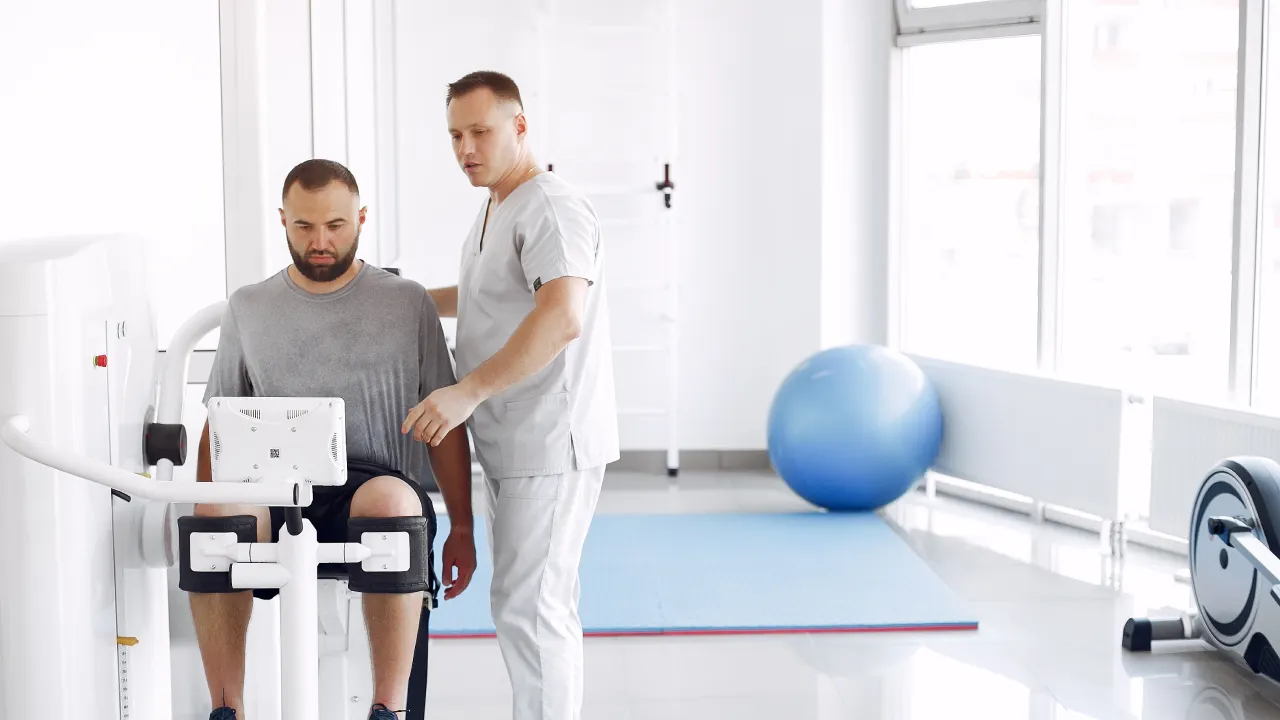
Physiotherapy Clinics can provide structured exercise plans that focus on movement, strength, flexibility, balance, and functional activities. The exercises may also be adjusted as a person's needs change.
Consistency can make exercise more manageable and may help individuals stay engaged with their physical activity routine.
9. Supporting Confidence with Movement
Physical limitations can sometimes make people hesitant to walk longer distances, use stairs, return to sports, or resume exercise.
A structured rehabilitation program can provide opportunities to practice movements in a controlled setting. As individuals become more familiar with exercises and functional activities, they may feel more prepared to participate in everyday tasks.
Physiotherapy Clinics can help individuals work through movement goals step by step while monitoring physical performance and making appropriate adjustments.
The goal is to help people develop practical movement skills that can carry over into daily life.
Who May Consider Physiotherapy?
Physiotherapy may be suitable for people dealing with a variety of movement-related concerns. This can include:
- Muscle strains
- Joint stiffness
- Sports injuries
- Reduced flexibility
- Balance difficulties
- Post-surgical rehabilitation
- Workplace-related physical concerns
- Reduced muscle strength
- Difficulty with everyday movements
- Recovery after an accident or injury
People do not necessarily need to be athletes to benefit from physiotherapy. Office workers, active adults, older adults, recreational athletes, and people returning to regular activity can all have different movement-related goals.
What Can You Expect During a Physiotherapy Appointment?
A physiotherapy appointment generally begins with an assessment of the person's physical condition and movement. The physiotherapist may ask about symptoms, activity levels, previous injuries, daily routines, and specific activities that are difficult.
Physical assessment may include checking range of motion, strength, balance, posture, coordination, and functional movement.
Based on the assessment, the physiotherapist may recommend exercises or physical techniques appropriate to the person's needs. The plan can change as movement and physical capacity develop.
At Hands That Cure Physical Therapy & Rehab Clinic in Mississauga, the focus is on helping clients work toward practical movement goals through physiotherapy and rehabilitation services.
Why Choose Physiotherapy in Mississauga?
Mississauga has a wide range of lifestyles and daily routines. Some residents spend much of their day at a desk, while others have physically demanding jobs or regularly participate in sports and fitness activities.
Local access to physiotherapy can make it easier to incorporate appointments and exercise into an existing routine. Rather than travelling far from home or work, residents can seek physiotherapy services within the Mississauga community.
Physiotherapy Clinics can also provide ongoing support when a person needs several stages of rehabilitation, from initial assessment through exercise progression and return to regular activities.
Making Physiotherapy Part of Your Routine
Consistency can be important when working toward mobility goals. Attending appointments is only one part of the process. Exercises recommended by a physiotherapist may also need to be incorporated into a person's regular schedule.
Simple habits can make this easier:
- Set aside a consistent time for exercises.
- Follow the exercise instructions provided during appointments.
- Keep track of activities that cause difficulty.
- Take movement breaks during long periods of sitting.
- Increase activity gradually when appropriate.
- Communicate changes in symptoms or physical ability.
- Ask questions when an exercise is unclear.
A routine does not need to be complicated. Small, consistent efforts can help people stay engaged with their rehabilitation plan.
Frequently Asked Questions
1. What conditions can physiotherapy address?
Physiotherapy can address many movement-related concerns, including muscle strains, joint stiffness, sports injuries, balance issues, reduced strength, mobility limitations, and rehabilitation following surgery or injury. The appropriate approach depends on an individual assessment.
2. How often should I attend physiotherapy?
The frequency of appointments depends on the person's condition, goals, physical activity level, and rehabilitation plan. A physiotherapist can recommend a suitable schedule after assessing the person's needs.
3. Can physiotherapy help active people?
Yes. Physiotherapy can be useful for people who participate in sports, fitness classes, running, cycling, recreational activities, or other forms of exercise. It may focus on strength, flexibility, movement control, balance, and returning to activity following an injury.
4. Do I need to stop exercising during physiotherapy?
Not necessarily. In many situations, appropriate physical activity can remain part of a rehabilitation routine. However, the type and intensity of activity may need to be adjusted depending on the person's condition. A physiotherapist can advise on suitable movements.
5. How do I find physiotherapy services in Mississauga?
When looking for physiotherapy in Mississauga, consider the clinic's services, location, appointment availability, and whether its approach matches your movement needs. Speaking with the clinic can help you determine whether an assessment is appropriate.
Take the Next Step
Mobility affects how people work, exercise, travel, complete household tasks, and participate in the activities they enjoy. When physical limitations interfere with these areas, physiotherapy can provide a structured way to assess movement and work toward functional goals.
From improving joint movement and strength to supporting balance, injury recovery, and an active lifestyle, physiotherapy can play a useful role in physical rehabilitation.
If you are in Mississauga and looking for physiotherapy services, Hands That Cure Physical Therapy & Rehab Clinic can help you explore your movement and rehabilitation needs.
Contact Hands That Cure Physical Therapy & Rehab Clinic in Mississauga to schedule an assessment and take the next step toward improving your mobility and physical function.
Phone: +1 905-997-3026
Address: 2760 Derry Rd W 3, Mississauga, ON L5N 3N5, Canada