5 Ways Pelvic Floor Therapy Can Help with Everyday Pain

5 Ways Pelvic Floor Therapy Can Help with Everyday Pain
Why Pelvic Floor Therapy Matters More Than You Think
Pelvic floor therapy has gained attention in recent years for its role in improving quality of life for individuals dealing with ongoing discomfort. While it's often associated with postnatal care or urinary concerns, pelvic floor therapy offers benefits that go far beyond those specific situations. Many people experience everyday pain that may be linked to dysfunction in the pelvic floor muscles — and addressing these issues can lead to measurable improvements.
This article breaks down five ways pelvic floor therapy can help with everyday pain, who it can support, and why paying attention to this often-overlooked group of muscles matters more than many realize.
What Is Pelvic Floor Therapy?
The pelvic floor is a network of muscles, ligaments, and connective tissues that support the bladder, uterus or prostate, rectum, and other abdominal organs. Like any group of muscles in the body, the pelvic floor can become tight, weak, overactive, or misaligned. When this happens, it can cause discomfort in areas beyond just the pelvis — including the lower back, hips, and even the abdomen.
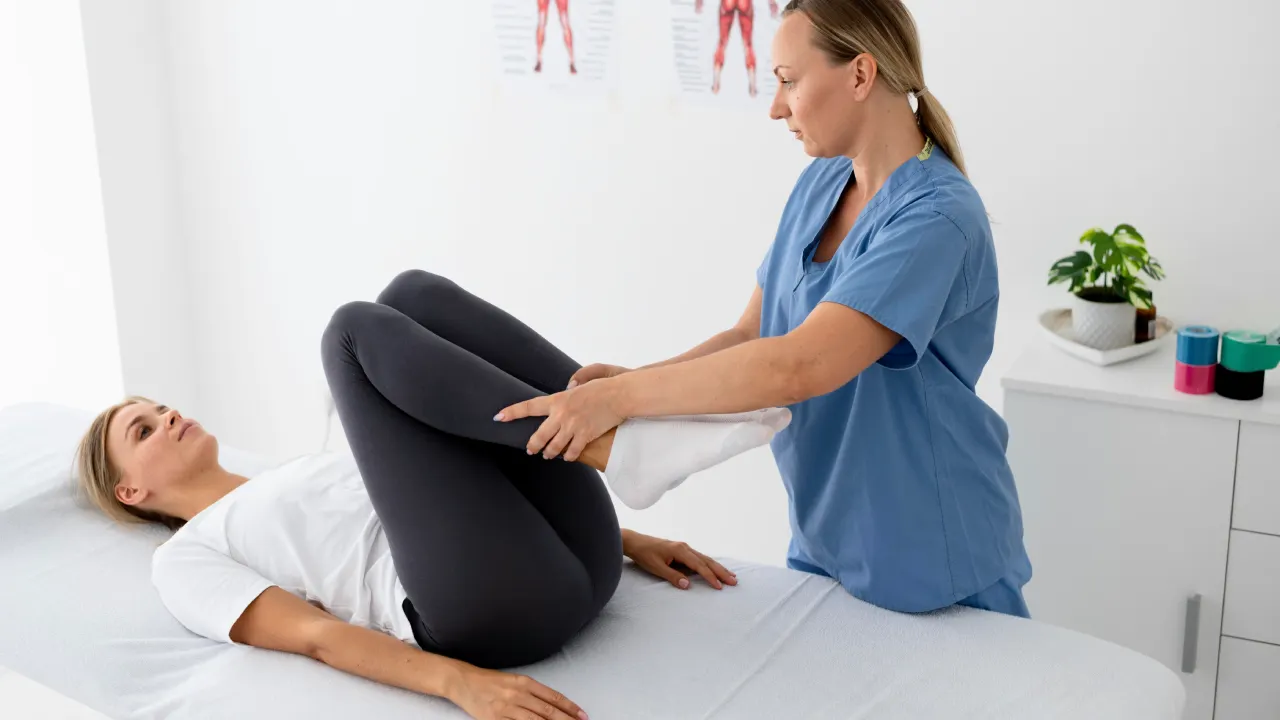
Pelvic floor therapy focuses on retraining and strengthening this muscle group through movement, manual techniques, education, and targeted exercises. It’s often offered by physiotherapists with training in pelvic health.
Who Can Benefit from Pelvic Floor Therapy?
Many individuals overlook pelvic floor issues until they become disruptive, but the truth is, these muscles play a role in more aspects of physical health than people expect.
Pelvic floor therapy may be helpful for:
- People dealing with chronic lower back or hip pain
- Postpartum individuals recovering after childbirth
- Men experiencing pelvic discomfort or pain after prostate treatment
- Athletes struggling with core or pelvic instability
- Anyone with bowel, bladder, or sexual function concerns
- Individuals with tailbone pain or discomfort while sitting
Even those who haven’t been diagnosed with a specific pelvic condition might find that subtle dysfunction in this area contributes to daily discomfort.
1. Alleviates Lower Back and Hip Pain
One of the most overlooked causes of persistent lower back or hip discomfort is pelvic floor dysfunction. The pelvic floor works in close coordination with the deep core, diaphragm, and hip stabilizers. If this synergy is off, it can lead to imbalances that place extra strain on the lumbar spine and hips.
Pelvic floor therapy can help by assessing how the muscles are working in conjunction with the surrounding systems. For instance, if the pelvic floor is overly tight or fatigued, it may not be supporting the pelvis correctly, causing compensation in the lower back muscles. Strengthening and releasing the appropriate muscles can restore balance, offering a reduction in referred pain.
2. Reduces Pelvic and Abdominal Discomfort
Some individuals experience chronic pressure, tightness, or cramping sensations in the lower abdomen or pelvis that don't respond well to conventional treatments. These symptoms are sometimes linked to an overactive or tense pelvic floor.
Therapists trained in this field can use both external and internal techniques (when appropriate) to release tight muscles and teach patients how to manage tension through breathwork, posture changes, and stretching routines. Over time, these approaches can reduce the frequency and intensity of abdominal discomfort related to pelvic floor dysfunction.
3. Eases Pain During Movement or Exercise
For those who enjoy running, cycling, lifting weights, or even walking for long periods, unexplained pain during or after movement may signal pelvic floor involvement. Common complaints like groin tightness, sacroiliac joint strain, or core fatigue may stem from an unstable or imbalanced pelvic base.
Pelvic floor therapy includes assessments of posture, gait, and functional movements to identify patterns that might be contributing to this discomfort. Adjusting movement mechanics, improving pelvic alignment, and engaging in targeted strengthening exercises can ease physical strain during activity.
Additionally, athletes often benefit from learning how to engage their core and pelvic floor correctly during training, which may prevent injury and reduce strain on other muscle groups.
4. Improves Sitting and Standing Comfort
Many people who work desk jobs or spend long hours standing find that certain positions bring on pelvic or lower body pain. This might feel like tailbone soreness, inner thigh tension, or general pressure in the pelvis. Often, these symptoms are tied to poor pelvic floor engagement or asymmetrical muscle use.
Pelvic floor therapy can address postural habits and muscular imbalances that build up over time. Manual techniques and guided exercises help realign the pelvis and improve awareness of how the body is being supported. Whether someone is dealing with discomfort from prolonged sitting or fatigue from long shifts on their feet, retraining the pelvic muscles can help them move and rest more comfortably.
5. Addresses Digestive-Related Pain and Straining
Pelvic floor dysfunction can also impact how the body manages digestion and elimination. People who frequently strain during bowel movements, feel incomplete evacuation, or experience bloating and cramping without a clear digestive diagnosis may benefit from pelvic floor therapy.
The therapy focuses on retraining the coordination of the abdominal and pelvic floor muscles during bowel movements. Techniques might include breathwork, positional changes during toileting, and relaxation methods. Addressing the muscular control in this area often improves symptoms and lowers the stress placed on the abdominal and rectal tissues.
Why It’s Important to Address Pelvic Floor Issues Early
Many people live with discomfort for years without knowing the root cause. In part, this happens because pelvic floor issues often mimic other conditions — lower back pain might be treated with general physio, abdominal discomfort might be approached as digestive, and hip pain might lead to orthopedic assessments.
By including the pelvic floor in the conversation, practitioners and patients can take a more targeted approach. This can make recovery smoother and reduce the frustration of trying multiple treatments with limited results.
The Role of Assessment in Pelvic Floor Therapy
Every pelvic floor therapy plan begins with a detailed assessment. This often includes:
- A review of physical symptoms and health history
- Postural analysis and core engagement checks
- Evaluation of breathing patterns and body mechanics
- Internal or external examination (based on comfort and necessity)
Based on this assessment, therapists develop a care plan that matches the individual's needs, focusing on restoring function and improving daily comfort. Unlike other muscle groups, the pelvic floor requires a more precise and gentle approach, often combining movement retraining with education and awareness.
Moving Forward
Pelvic floor therapy offers more than people often realize. Whether someone is navigating persistent lower back pain, discomfort while sitting, or strain during exercise, these issues may all trace back to imbalances in the pelvic region. Addressing the cause rather than only the symptom allows people to move through their day with greater ease.
By paying attention to this core system, individuals can improve not just isolated symptoms, but overall physical comfort and coordination. If daily pain has become a regular part of life, considering pelvic floor therapy as part of the picture may open the door to better outcomes.