6 Reasons Pelvic Floor Physiotherapy Is Recommended for Core Weakness

6 Reasons Pelvic Floor Physiotherapy Is Recommended for Core Weakness
How Core Weakness Affects Daily Movement and Why Pelvic Floor Physiotherapy Is Considered
Core weakness can show up in many everyday ways, such as trouble holding posture during long sitting hours, discomfort after lifting objects, or changes in control after pregnancy. Many people in Mississauga start searching for support when these signs begin to affect daily movement.
One approach often explored for these concerns is Pelvic Floor Physiotherapy. It focuses on how deep core muscles and pelvic structures work together to support stability, movement, and control. When these areas are not working in sync, it can influence posture, comfort, and overall movement patterns. This is why Pelvic Floor Physiotherapy is commonly included in recovery plans for core-related concerns.
What Is Pelvic Floor Physiotherapy?
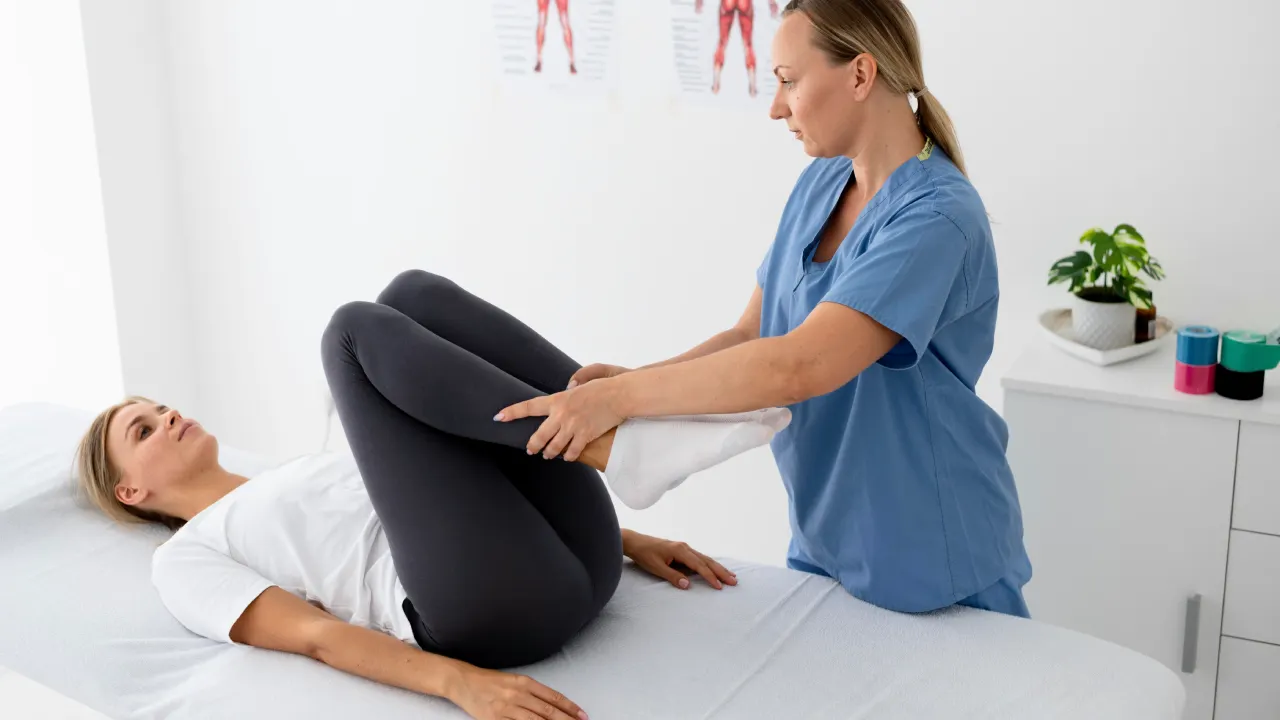
Pelvic Floor Physiotherapy is a movement-based care method that focuses on the muscles located at the base of the pelvis. These muscles play a role in supporting the bladder, bowel, and core stability system.
It also connects closely with abdominal and back muscles. When these groups are poorly coordinated, issues such as weak core engagement, reduced control during movement, or discomfort during daily tasks may arise. Pelvic Floor Physiotherapy aims to improve how these muscle groups function together through structured movement training and awareness techniques.
How Core Weakness Is Connected to the Pelvic Floor
The core is not just the abdominal area; it includes deep stabilizing muscles, the diaphragm, lower back muscles, and the pelvic floor. When one part is not functioning well, the rest can be affected.
Several factors can contribute to this imbalance:
- Pregnancy and childbirth changes
- Long hours of sitting or desk-based work
- Reduced physical activity
- Natural aging changes in muscle tone
When coordination between these muscles decreases, the body may rely on other muscles to compensate, leading to fatigue and increased strain on the muscles.
6 Reasons Pelvic Floor Physiotherapy Is Recommended for Core Weakness
1. Improves muscle coordination
Pelvic Floor Physiotherapy helps retrain how deep core muscles activate together. This coordination supports more controlled movement during daily activities.
2. Supports postpartum recovery
After childbirth, core and pelvic muscles may need structured reactivation. Pelvic Floor Physiotherapy is often used during postpartum recovery to rebuild functional movement patterns.
3. Enhances core stability
A stable core supports standing, walking, and lifting tasks. Pelvic Floor Physiotherapy focuses on activating deeper stabilizers that help maintain balance during movement.
4. Reduces pelvic and lower body discomfort
Muscle imbalance can create tension in surrounding areas. Pelvic Floor Physiotherapy works on improving muscle balance across the pelvis and lower back.
5. Improves posture control
Weak core muscles can affect how the spine aligns during sitting and standing. Pelvic Floor Physiotherapy helps improve awareness of posture and alignment habits.
6. Helps reduce long-term movement issues
When movement patterns stay unbalanced, strain can build over time. Pelvic Floor Physiotherapy supports healthier movement habits that reduce ongoing strain.
Common Signs of Pelvic Floor and Core Dysfunction
People experiencing core weakness may notice:
- Lower back discomfort during daily tasks
- Leakage during coughing, sneezing, or activity
- Difficulty engaging abdominal muscles during movement
- Pelvic pressure or heaviness sensations
- Reduced stability when standing or walking for long periods
These signs often develop gradually and may become more noticeable with time.
How Pelvic Floor Physiotherapy Is Performed in Physiotherapy Care
Care sessions may include several structured steps:
- Assessment of core and pelvic muscle function.
- Teaching controlled pelvic floor rehabilitation exercises.
- Training breathing patterns linked with movement.
- Strength and mobility exercises for core stability.
- Education on movement habits used during daily activities.
Each step focuses on improving how muscles coordinate during real-life movements.
Common Mistakes People Make When Dealing With Core Weakness
Many individuals try to manage symptoms without structured support. Common mistakes include:
- Ignoring early signs like mild discomfort or leakage
- Doing random core exercises without muscle awareness
- Overloading abdominal workouts without proper control
- Delaying assessment until symptoms become more noticeable
These habits can make movement patterns harder to correct later.
Pelvic Floor Physiotherapy in Mississauga
In Mississauga, long work hours, commuting, and active lifestyles can strain core muscles over time. Postpartum recovery needs also contribute to the demand for structured movement care.
Many individuals seek Pelvic Floor Physiotherapy to address core control issues related to daily routines, workplace sitting habits, or post-pregnancy changes. It is commonly included in care plans for those wanting to improve movement control and stability in everyday life.
FAQs
When should I consider Pelvic Floor Physiotherapy?
It may be considered when symptoms such as leakage, core weakness, or difficulty with posture begin to affect daily movement.
Can Pelvic Floor Physiotherapy help with core weakness after pregnancy?
Yes, it is often included in postpartum recovery plans to support muscle reactivation and coordination.
How long does recovery usually take?
The timeline varies based on muscle condition, activity level, and consistency with exercise practice.
Is Pelvic Floor Physiotherapy only for women?
No, it can be used by anyone experiencing pelvic or core muscle coordination issues.
What exercises are used in pelvic floor rehabilitation?
They may include breathing coordination drills, gentle muscle-activation work, and core-stability movements.
Moving Forward
Core weakness can influence daily comfort, posture, and movement patterns if left unaddressed. Structured care focusing on muscle coordination can help improve how the body responds during activity.
At Hands That Cure Physical Therapy & Rehab Clinic, located at 2760 Derry Rd W #3, Mississauga, ON L5N 3N5, Canada, support is available for individuals managing core and pelvic muscle concerns. If symptoms are affecting daily routines, visiting the clinic for assessment may be a useful next step.