How to Speed Up Recovery from Shin Splints

How to Speed Up Recovery from Shin Splints
What Are Shin Splints?
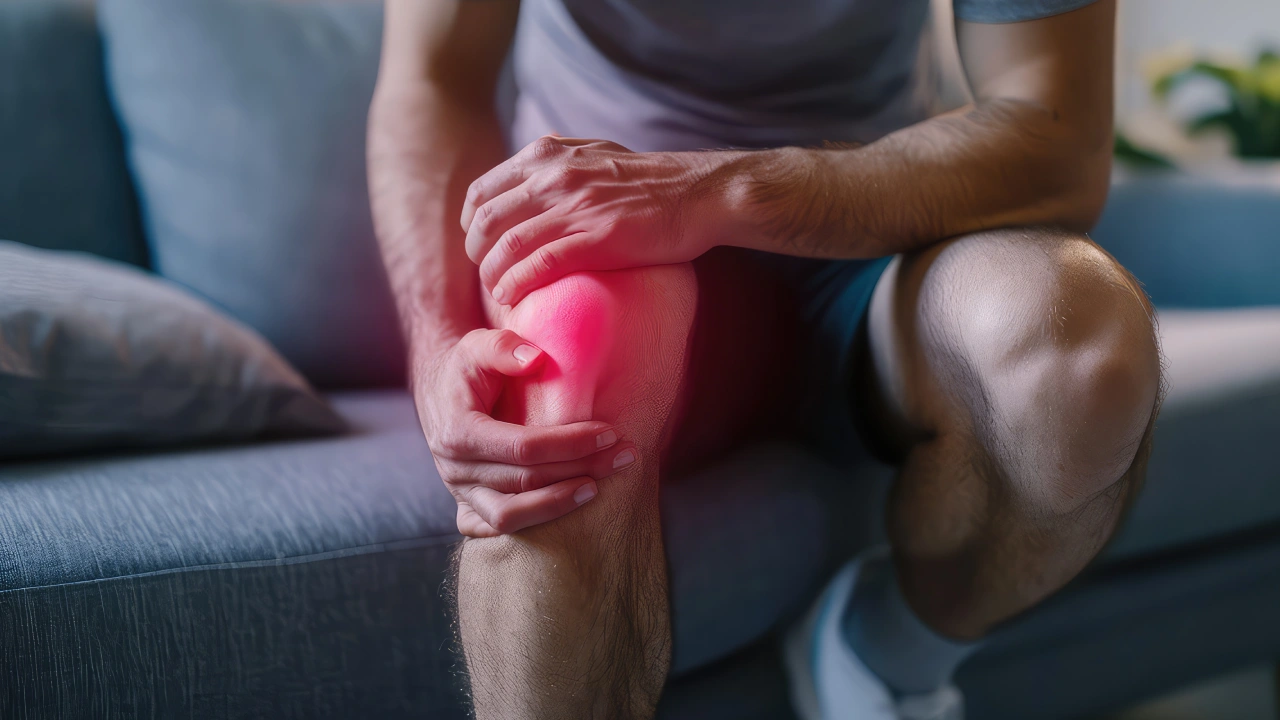
Shin splints refer to pain along the shinbone (tibia) and are a common issue for runners, dancers, and individuals involved in high-impact activities. The discomfort usually occurs due to repetitive stress on the shinbone and surrounding tissues. If left untreated, shin splints can interfere with daily activities and long-term athletic performance. Understanding the causes and implementing recovery strategies can help alleviate symptoms and prevent recurrence.
Causes of Shin Splints
Overuse and Repetitive Stress
Shin splints often develop due to excessive stress on the lower legs, especially from activities like running, jumping, and high-intensity workouts. Continuous pounding on hard surfaces can strain the muscles and lead to inflammation.
Improper Footwear
Worn-out or unsupportive shoes can contribute to shin pain by failing to absorb impact properly. Shoes that lack adequate arch support or cushioning can increase stress on the lower legs, making shin splints more likely to develop.
Sudden Increase in Activity
A rapid increase in workout intensity, duration, or frequency can strain the muscles and tendons. This is common among beginner runners or athletes returning to intense training after a period of inactivity.
Poor Biomechanics
Issues such as flat feet, improper running form, or muscle imbalances may lead to excessive strain on the shinbone. Poor biomechanics can cause uneven weight distribution, leading to excessive pressure on certain areas of the lower leg.
Strategies to Speed Up Recovery
1. Rest and Activity Modification
Reducing impact on the legs is essential for recovery. Take a break from high-impact activities and switch to low-impact exercises like swimming, cycling, or elliptical training to maintain fitness without aggravating symptoms. Avoid running on hard surfaces and consider cross-training to minimize stress on the shins.
2. Ice Therapy
Applying ice packs to the affected area helps reduce swelling and pain. Use an ice pack wrapped in a thin cloth and apply it for 15-20 minutes several times a day. Cold therapy can be particularly effective after physical activity to prevent inflammation from worsening.
3. Compression
Using a compression sleeve or bandage supports the shin and helps reduce inflammation by promoting circulation. Compression also helps stabilize muscles and prevents excessive movement that can cause further irritation.
4. Elevation
Keeping the legs elevated above heart level minimizes swelling and speeds up recovery. Elevation is particularly useful after long periods of standing or walking, as it helps reduce pressure in the lower limbs.
Strengthening and Stretching Exercises
1. Toe Raises
Strengthening the shin and calf muscles helps prevent excessive stress on the shinbone. Toe raises improve muscle endurance and help distribute weight more evenly during movement.
2. Calf Stretch
Stretching the calves reduces tension on the shin and enhances flexibility. Tight calf muscles can contribute to shin splints, so stretching before and after exercise is essential.
3. Ankle Dorsiflexion Exercises
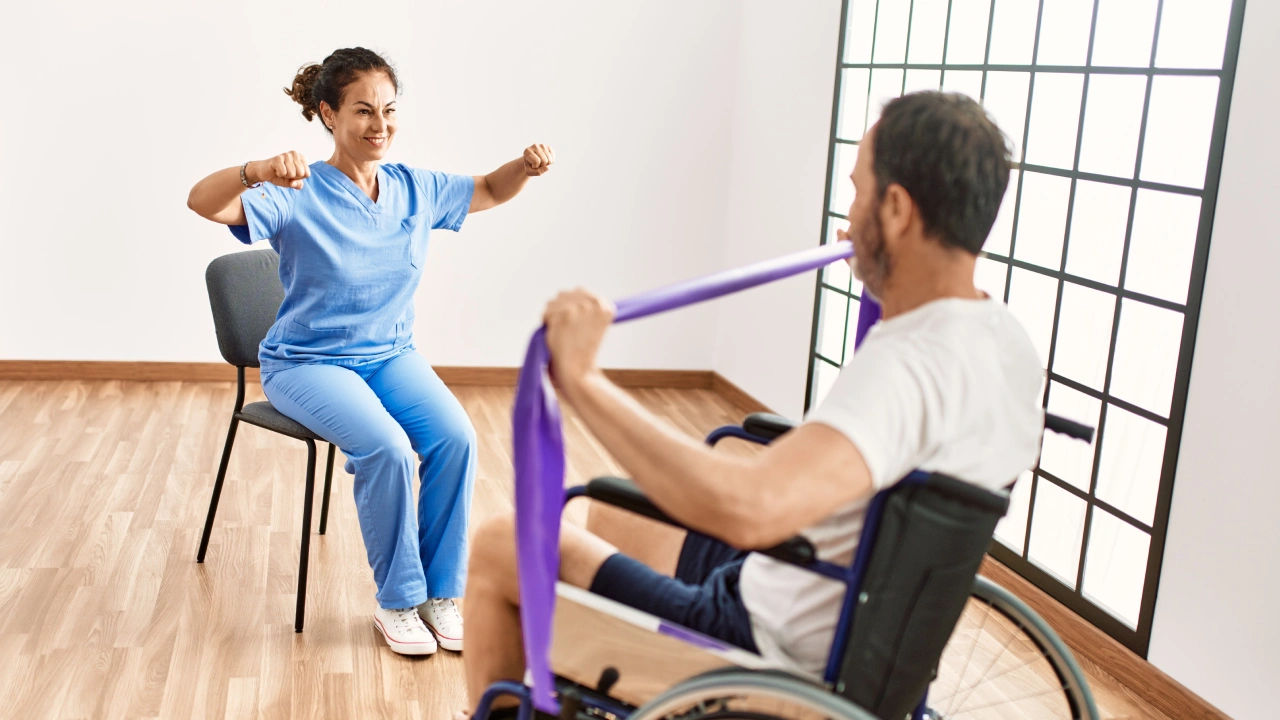
Strengthening the muscles in the front of the shin improves balance and reduces strain. Resistance band exercises focusing on ankle dorsiflexion can help improve stability and reduce stress on the shinbone.
4. Hip and Core Strengthening
Weak hips and core muscles can contribute to improper running mechanics, increasing strain on the lower legs. Exercises such as lunges, squats, and planks help create better alignment and reduce the risk of shin splints.
5. Foam Rolling and Massage
Self-massage with a foam roller or massage ball can help relieve muscle tightness and improve circulation. Focus on the calves, shins, and surrounding muscles to alleviate tension and reduce inflammation.
Choosing the Right Footwear
Supportive Shoes
Investing in shoes with proper arch support and cushioning reduces impact on the lower legs. Running shoes should be replaced every 300-500 miles, as worn-out soles and lack of support can contribute to injuries.
Orthotic Inserts
If flat feet or improper gait contributes to shin splints, orthotic insoles can provide extra support. Custom or over-the-counter inserts help distribute pressure more evenly, reducing strain on the shinbone.
Avoiding Worn-Out Shoes
Using shoes beyond their lifespan can result in decreased shock absorption and inadequate support, leading to increased stress on the lower legs.
Gradual Return to Activity
1. Low-Impact Workouts
Start with low-impact activities like walking or elliptical training before resuming running or jumping exercises. Gradually increase intensity to prevent re-injury.
2. Listen to Your Body
Avoid pushing through pain, as doing so can prolong recovery and increase the risk of further injury. If discomfort returns, reduce activity levels and focus on recovery techniques.
3. Warm-Up and Cool-Down
Incorporating warm-up and cool-down routines minimizes muscle stiffness and reduces stress on the shins. Dynamic stretching before exercise and static stretching afterward can improve flexibility and reduce injury risk.
4. Gradual Progression
When resuming running or high-impact activities, gradually increase duration and intensity. Start with shorter distances and softer surfaces, allowing the legs to adjust before adding more strain.
Nutrition for Recovery
Anti-Inflammatory Foods
Including anti-inflammatory foods in the diet, such as turmeric, ginger, and omega-3-rich foods, can help reduce swelling and promote healing.
Hydration
Staying hydrated is crucial for muscle function and overall recovery. Proper hydration helps flush out toxins and keeps muscles functioning efficiently.
Protein and Micronutrients
Consuming enough protein, along with vitamins and minerals like calcium and magnesium, supports tissue repair and strengthens bones and muscles.
Collagen and Vitamin C
Collagen plays a role in tissue repair, and vitamin C helps with collagen production. Consuming foods rich in these nutrients, such as citrus fruits, bell peppers, and bone broth, may support recovery.
When to Seek Professional Help
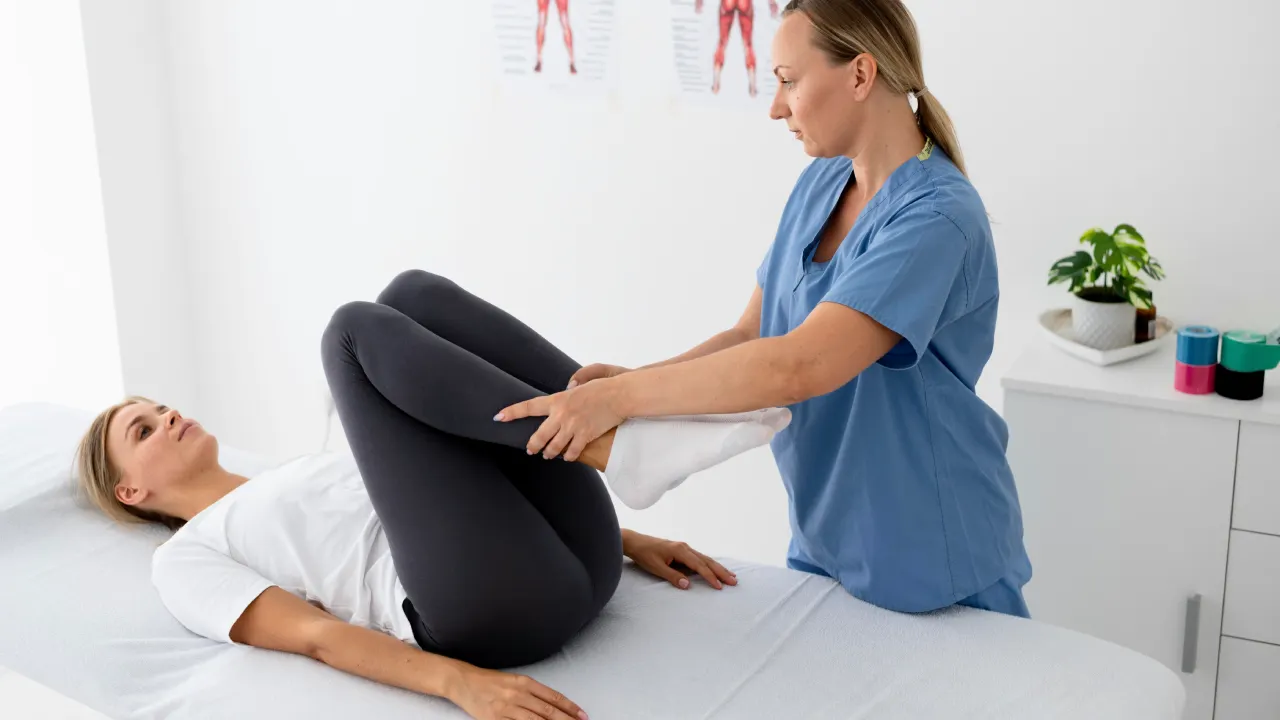
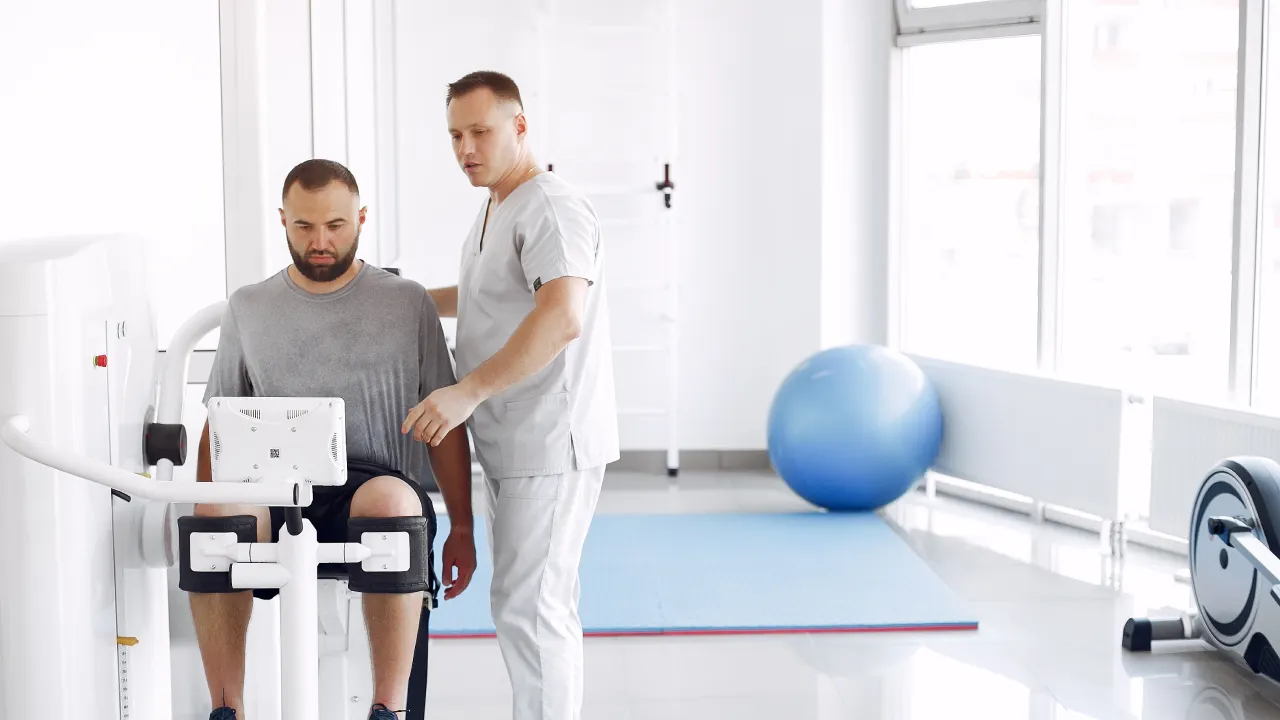
If pain persists despite home care measures, consulting a physiotherapist can help identify underlying causes and provide targeted treatment options. A professional can assess gait, recommend corrective exercises, and provide additional therapies like manual therapy or ultrasound treatment.
Signs You Need Medical Attention
- Pain that worsens despite rest and treatment
- Swelling that does not subside
- Difficulty walking or bearing weight on the affected leg
- Signs of a stress fracture, such as sharp pain localized to a small area
Final Thoughts
Recovering from shin splints requires patience and a strategic approach. By modifying activity levels, incorporating recovery techniques, and strengthening the lower legs, individuals can minimize discomfort and safely return to their regular routines. Taking preventive measures, such as wearing proper footwear and gradually increasing activity, can help avoid future occurrences. Staying consistent with stretching, strength exercises, and proper nutrition will also contribute to long-term lower leg health and performance.