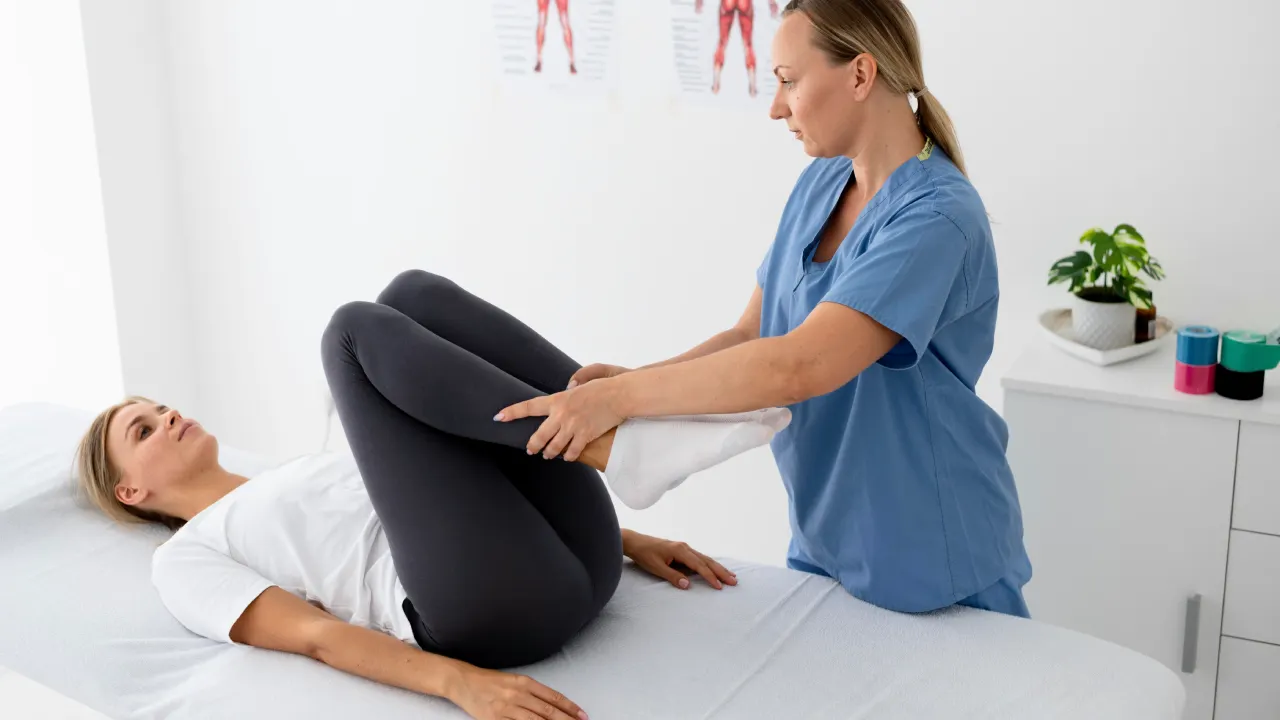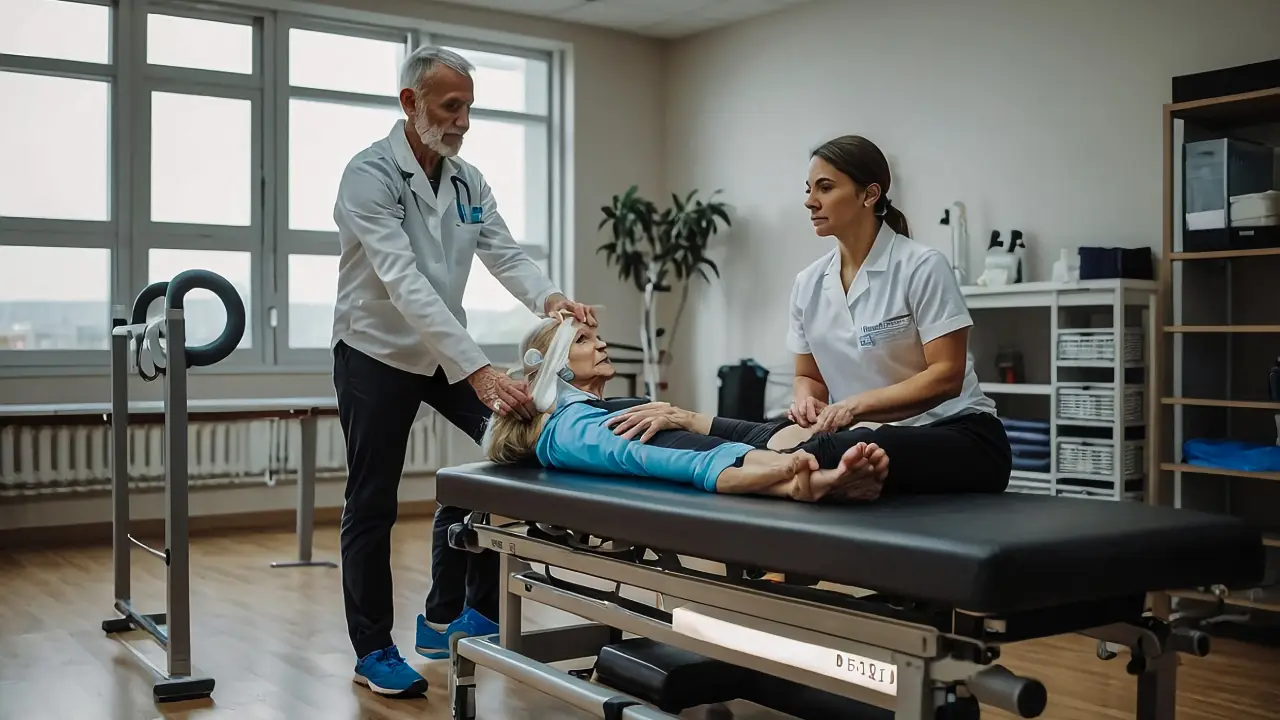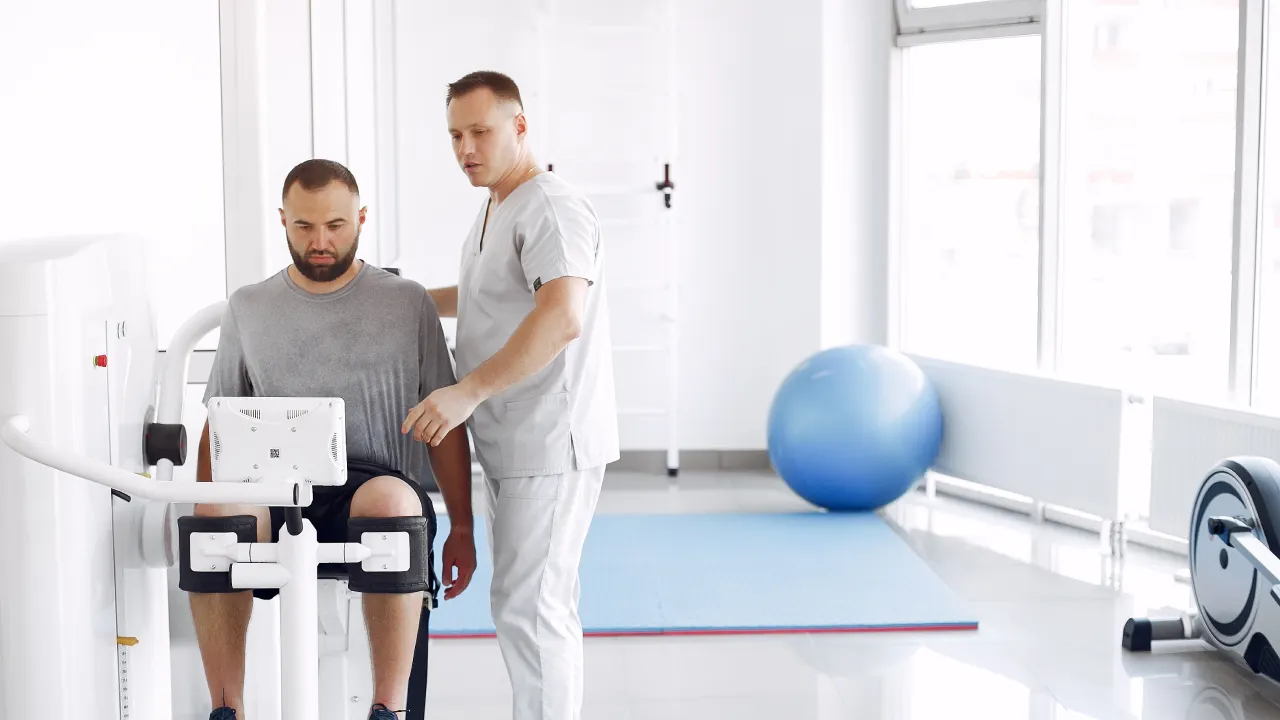
7 Benefits of Starting Physio After Surgery
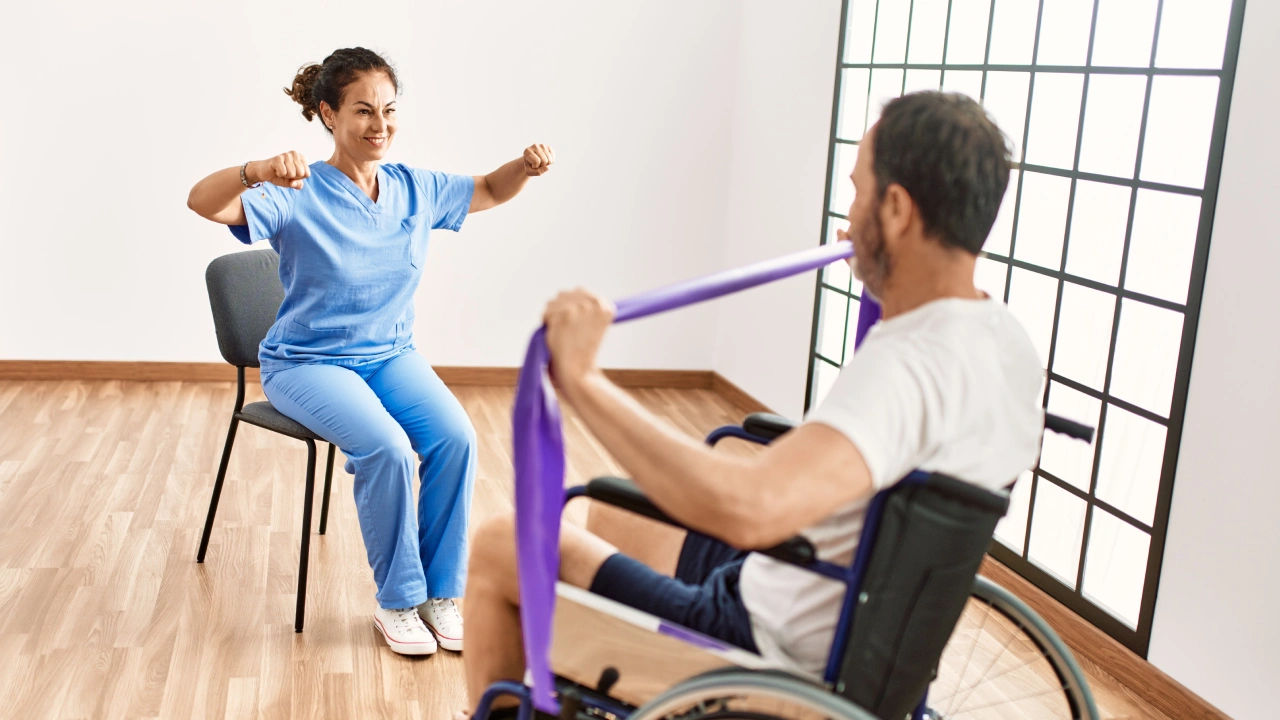
7 Benefits of Starting Physio After Surgery
Recovery after Surgery and the Role of Early Movement Support
Recovering after Surgery often comes with stiffness, weakness, and uncertainty about how much movement is safe. Many people search for clear steps to help them return to their daily activities without setbacks. This is where Physio plays an important role in structured recovery support. In many cases, starting the right movement plan early can help the body adjust more smoothly after Surgery, especially when Mobility is limited in the first few weeks.
What Happens During Recovery After Surgery
After Surgery, the body undergoes a healing process that includes tissue repair, control of inflammation, and gradual restoration of movement. In the early phase, it is common to experience stiffness, reduced strength, and limited range of motion.
At this stage, Physio can support controlled movement to prevent the body from remaining too still for long periods. Healing tissues often respond positively to gentle activity, while long rest periods may lead to tightness.
Recovery usually includes:
- Initial swelling and sensitivity around the surgical area
- Reduced movement due to discomfort or protection of the area
- Gradual rebuilding of strength as healing continues
- Slow return to daily tasks depending on Surgery type
Why Movement Matters After Surgery
Movement plays a key role in preventing stiffness and supporting circulation. When movement is delayed, muscles may weaken, and joints may become more difficult to mobilize.
Physio helps introduce safe, step-by-step activities so the body adapts without unnecessary strain. Controlled movement also supports coordination, which is important for returning to walking, lifting, or other routine actions.
Without gradual activity, recovery may feel slower and more restricted than expected. That is why structured movement is often introduced in early phases under professional monitoring.
7 Advantages of Beginning Physio After Surgery
Starting physiotherapy at the right time after Surgery can support several important recovery outcomes:
- Improved Mobility: Gentle movement helps restore joint motion and reduces stiffness in the affected area.
- Faster functional return: Daily activities like walking, bending, and standing become easier as movement progresses.
- Controlled muscle activation: Muscles regain strength gradually, reducing the risk of overload.
- Reduced stiffness buildup: Regular movement prevents excessive tightness in surrounding tissues.
- Better movement patterns: Early training helps the body relearn safe movement patterns after surgical changes.
- Progress tracking: Recovery progress is monitored so exercises match current ability levels.
- Support for circulation: Movement promotes blood flow, which supports tissue repair.
In many recovery plans, Physio is introduced gradually so that improvements build gradually without pushing the body too quickly.
Common Post-Surgery Challenges Without Proper Physio
Without structured movement support, some individuals may experience:
- Reduced range of motion in joints
- Muscle weakness from prolonged rest
- Slower return to work or daily activities
- Unintended movement habits that strain other areas
These challenges can make recovery feel uneven, especially when normal routines resume too early or too late without proper progression.
What a Post-Surgery Physio Plan Usually Includes
A recovery plan is generally organized in stages depending on healing progress. Common elements include:
- Movement assessment: Checking current Mobility levels and comfort range
- Gentle Mobility exercises: Simple movements to reduce stiffness and improve joint flexibility
- Strength rebuilding exercises: Gradual muscle activation to support stability
- Functional activity training: Practicing daily tasks such as walking, sitting, or lifting safely
- Progress monitoring: Regular review of improvements and adjustment of activity levels
A structured Physio plan ensures that movement increases at a pace suited to recovery rather than rushing through stages.
Early Physiotherapy After Surgery in Meadowvale (Derry Road Area)
In Meadowvale, daily routines often involve commuting, long work hours, and active movement throughout the day. After surgery, returning to this pace can feel challenging without proper preparation.
Physio in this stage focuses on rebuilding movement Confidence and restoring basic physical function step by step. Many individuals in this area seek structured recovery support to help them return to work, driving, and household tasks at a manageable pace.
Early movement sessions are usually adjusted based on surgical type, comfort level, and overall progress to keep recovery steady and controlled.
FAQs
When should I start physiotherapy after Surgery?
Timing depends on the type of Surgery and recovery stage. In many cases, Physio begins shortly after medical clearance, sometimes within days or weeks.
Is physiotherapy necessary after all surgeries?
Not every case requires it, but many recovery plans include Physio to support movement and reduce stiffness.
How long does post-surgery recovery usually take?
Recovery time varies based on Surgery type, overall health, and activity levels during healing.
What exercises are included in Physio after Surgery?
Common Physio exercises include gentle stretching, joint Mobility work, and gradual strength training.
Can Physio reduce stiffness after Surgery?
Yes, structured movement in Physio helps reduce stiffness by keeping joints and muscles active.
Do I need a doctor’s referral for Physio in Meadowvale?
In most cases, a referral is not required, but some insurance plans may request one.
Moving Forward
Recovery after Surgery can feel uncertain, especially when movement is limited and daily tasks become harder. Starting Physio at the right stage can support smoother progress and help rebuild strength step by step.
If recovery feels slower than expected or stiffness is affecting daily movement, an early assessment may help clarify the next steps.
Hands That Cure Physical Therapy & Rehab Clinic is located at 2760 Derry Rd W #3, Meadowvale, ON L5N 3N5, Canada.
For appointment scheduling or further details, contact the clinic directly or visit in person to begin a structured recovery plan suited to your current stage.