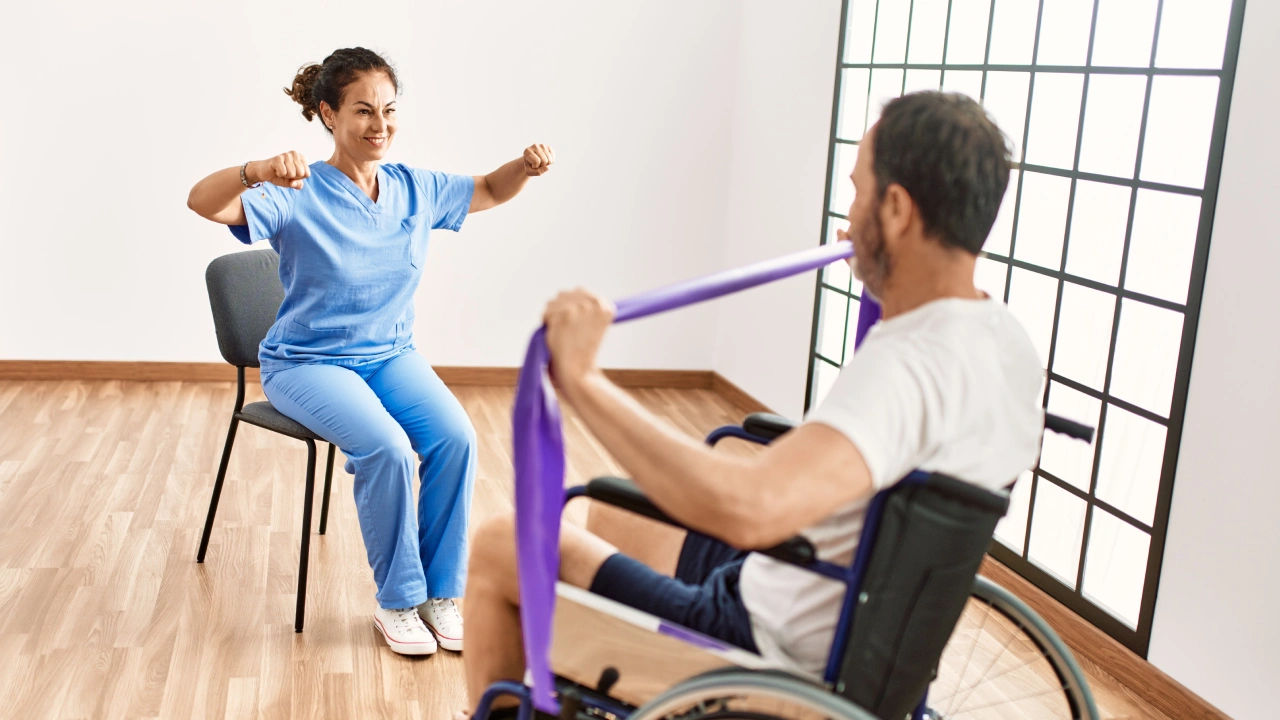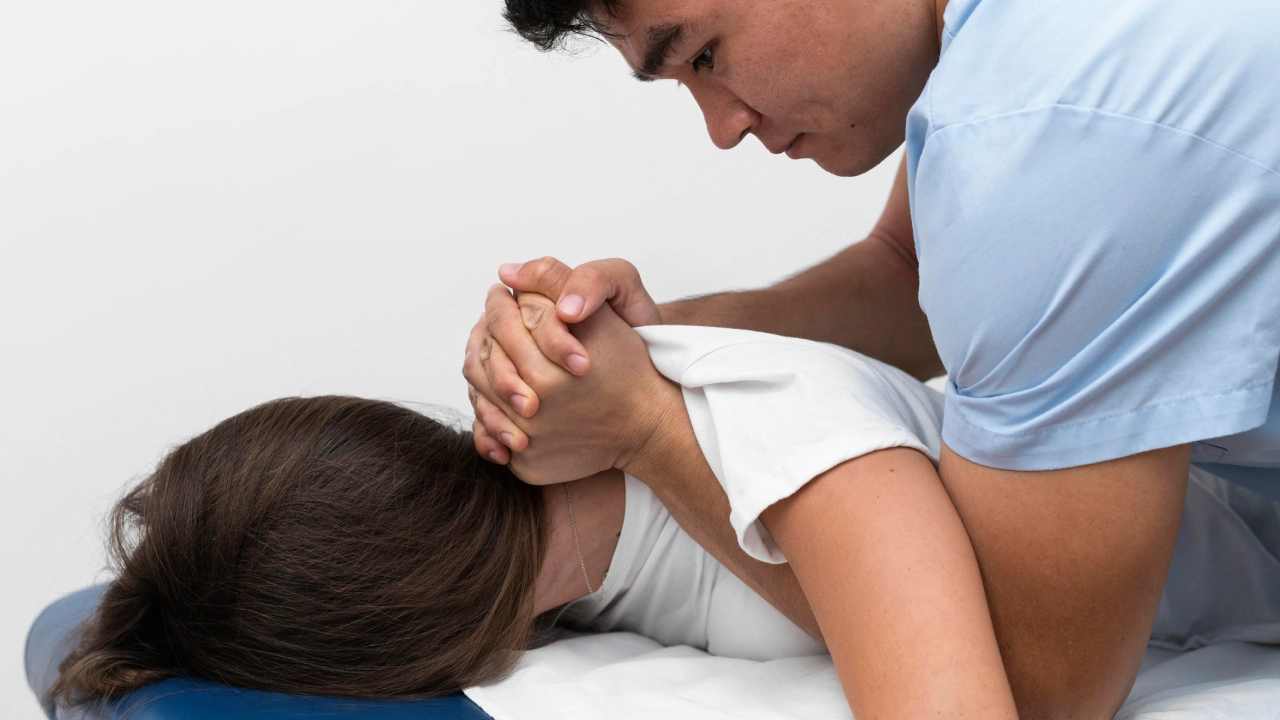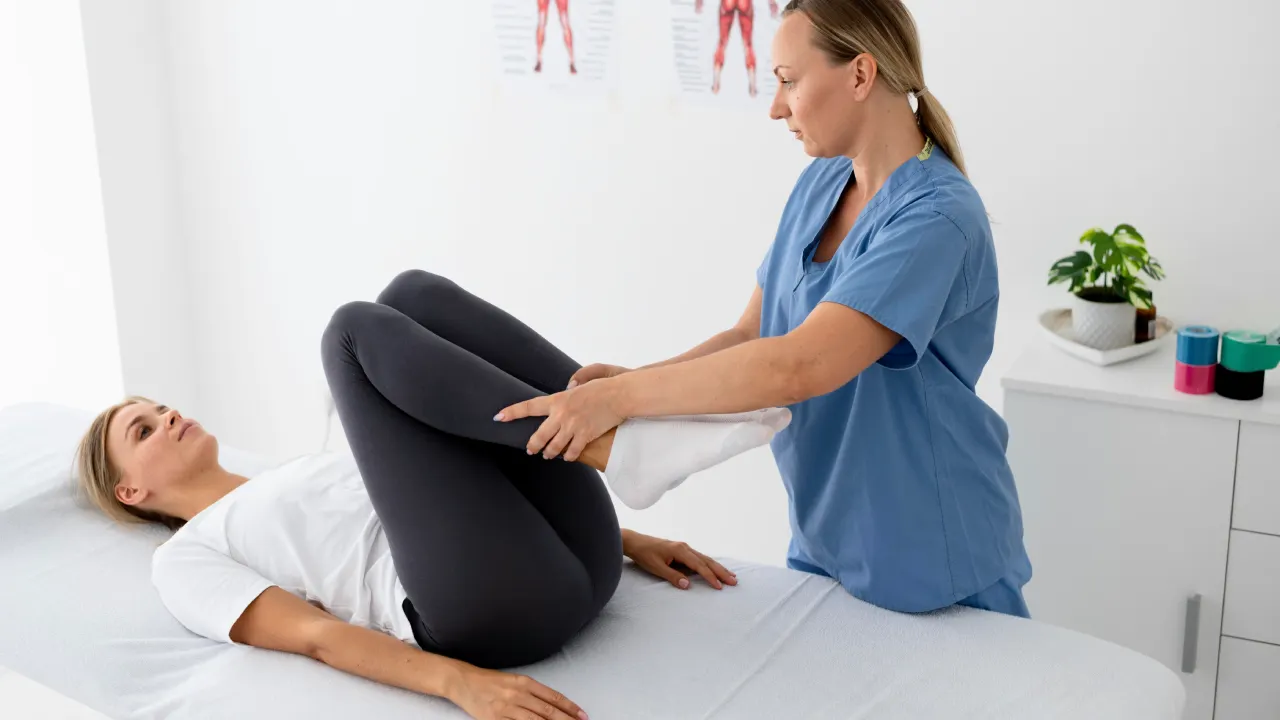

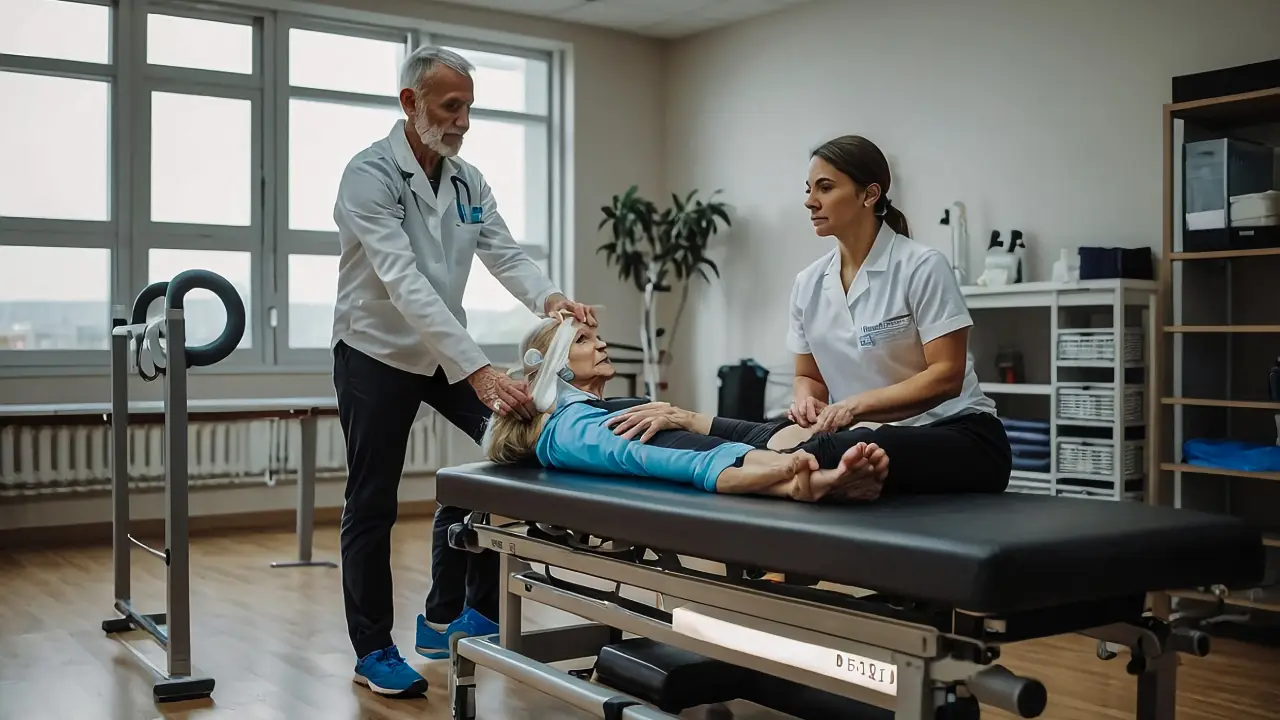




Pelvic Floor Physiotherapy is a specialised area of physiotherapy that focuses on improving the strength, flexibility, and coordination of the muscles supporting the bladder, bowel, and reproductive organs. At Hands That Cure Physical Therapy & Rehab Clinic, located on Derry Road in Mississauga, we often see patients seeking to enhance mobility, manage discomfort, or recover after surgery or injury. Incorporating targeted exercises into your routine can significantly improve overall function and daily comfort.
In this article, we explore seven exercises commonly recommended in Pelvic Floor Physiotherapy and explain how they can support mobility and improve quality of life.
Pelvic Floor Physiotherapy addresses a variety of issues, including urinary incontinence, pelvic organ prolapse, postnatal recovery, and chronic pelvic pain. Weak or tight pelvic muscles can also affect posture, gait, and core stability, making daily activities more challenging. Physiotherapy clinics, such as Hands That Cure, provide structured assessments and treatment plans tailored to each patient’s needs.
Working with a physiotherapist ensures exercises are performed correctly, preventing strain or injury while promoting functional improvement.
Diaphragmatic, or deep belly, breathing is foundational in Pelvic Floor Physiotherapy. It helps coordinate the pelvic floor with the diaphragm and abdominal muscles, improving core stability.
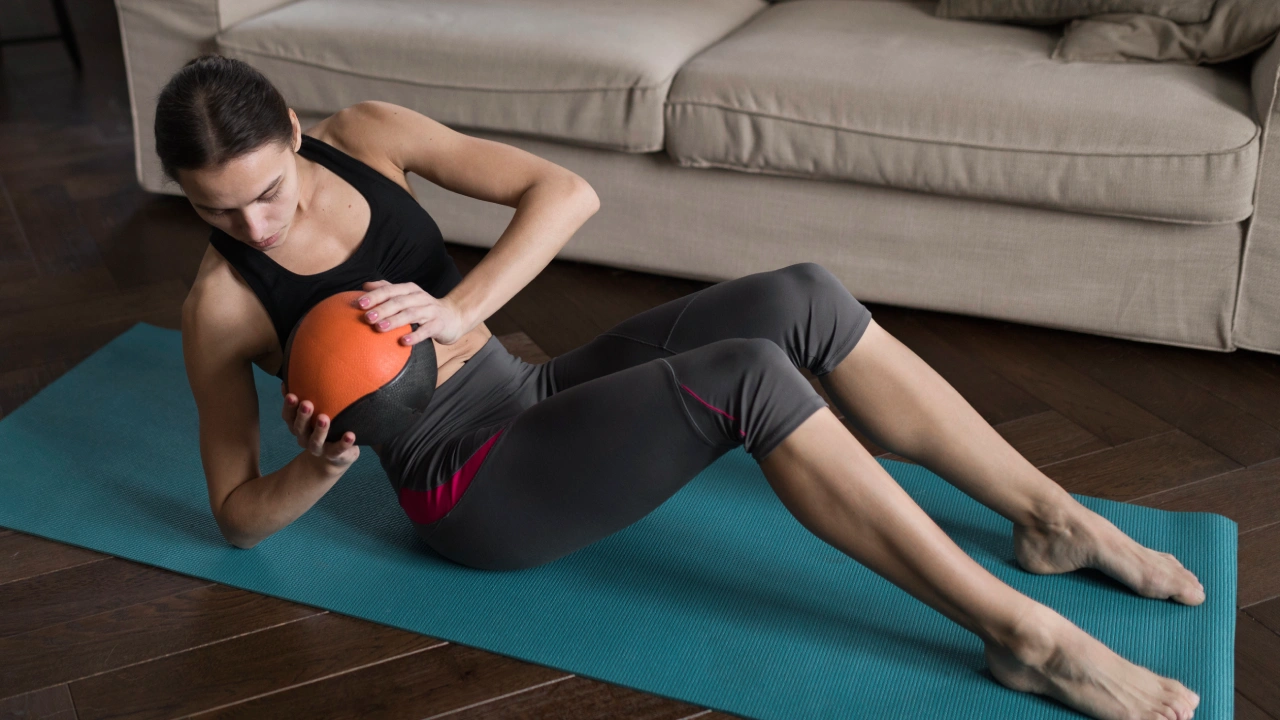
Pelvic tilts strengthen core and lower back muscles while improving pelvic mobility. This exercise is suitable for beginners and can be adapted for more advanced patients.
Bridges target the glutes, lower back, and pelvic floor, supporting posture and core stability.
Kegel exercises are a cornerstone of Pelvic Floor Physiotherapy, helping strengthen the muscles responsible for bladder and bowel control.
Consistency is key, and a physiotherapist can provide guidance on proper technique.
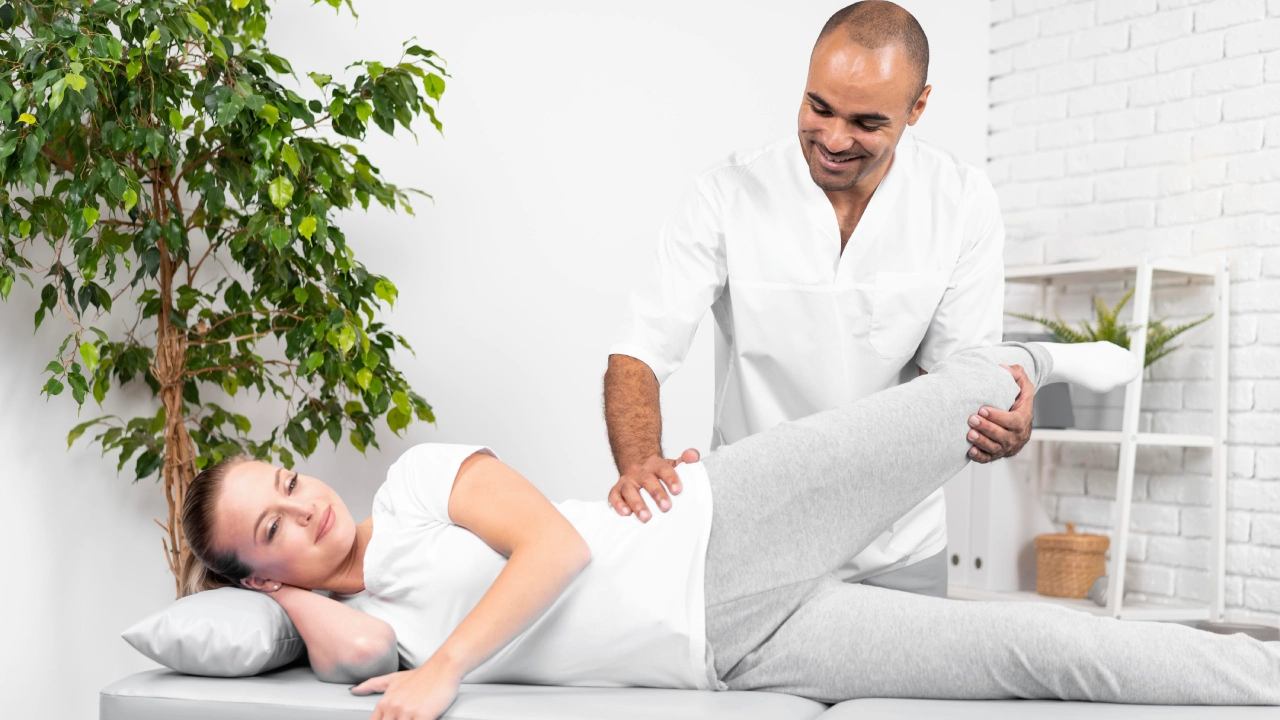
Hip abductions target the outer hip muscles and support pelvic alignment. Proper hip mobility can reduce strain on the pelvic floor.
This gentle stretch improves flexibility in the lower back, hips, and pelvic region while encouraging relaxation of tight muscles.
Squats can strengthen the legs, hips, and pelvic floor simultaneously. Proper form is critical to avoid joint stress.
If you experience persistent pelvic discomfort, urinary leakage, or difficulty with mobility, consulting a physiotherapy clinic is advisable. Hands That Cure Physical Therapy & Rehab Clinic on Derry Road, Mississauga, offers assessments and individualised Pelvic Floor Physiotherapy programs to support recovery, enhance mobility, and restore function.
Pelvic Floor Physiotherapy plays a vital role in improving mobility, strength, and overall well-being. Incorporating exercises like diaphragmatic breathing, bridges, Kegels, and hip abductions can provide measurable benefits when performed correctly and consistently.
For residents of Mississauga seeking guidance, Hands That Cure Physical Therapy & Rehab Clinic provides professional care in a supportive environment. If you are interested in starting a Pelvic Floor Physiotherapy program or want to learn more about exercises suited to your needs, book an appointment today and take the first step toward improved function and comfort.
 Optimized by Seraphinite Accelerator