




Core strength isn’t only about visible muscles like the abs or obliques. Deep down, the pelvic floor forms the foundation for the spine, hips, and abdominal muscles. When these muscles are weak, uncoordinated, or fatigued, movements can feel unstable, Posture may suffer, and even simple activities like standing, bending, or lifting can become tiring or uncomfortable.
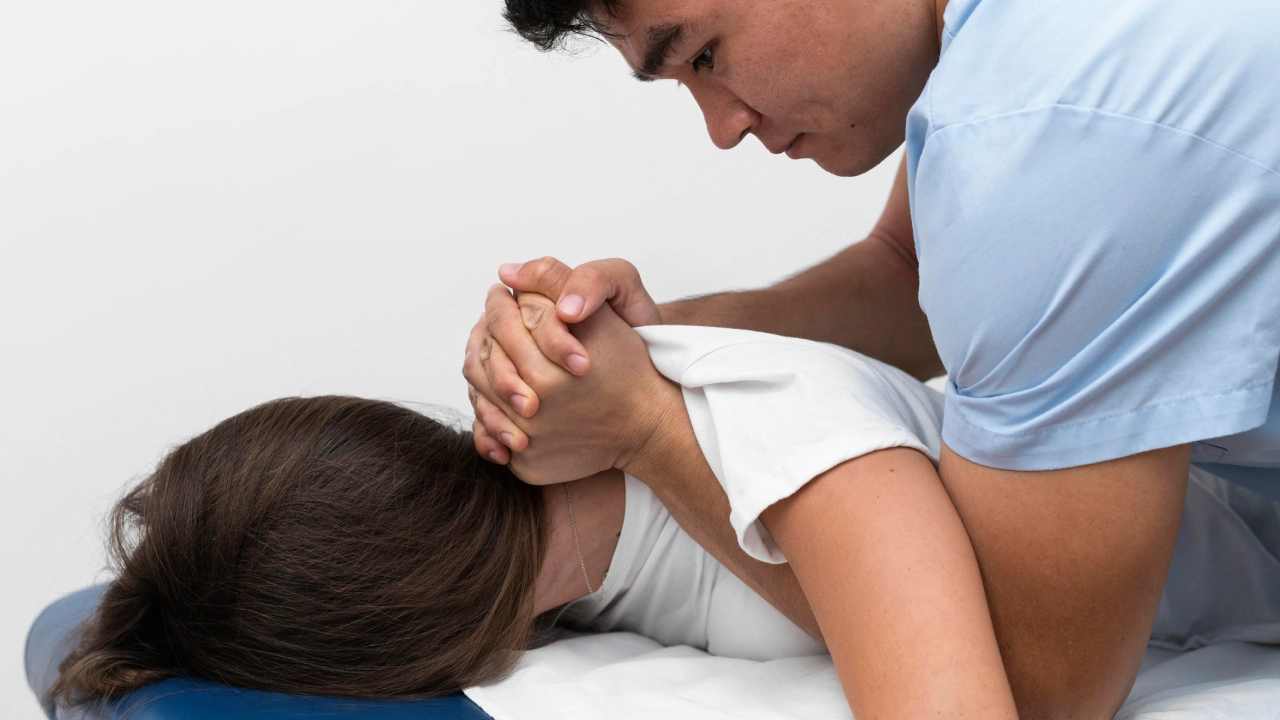
Pelvic Floor Physiotherapy targets this often-overlooked group of muscles, retraining them to support the body efficiently. This therapy is not just rehabilitation—it restores foundational control, making all movements smoother, safer, and less effortful.
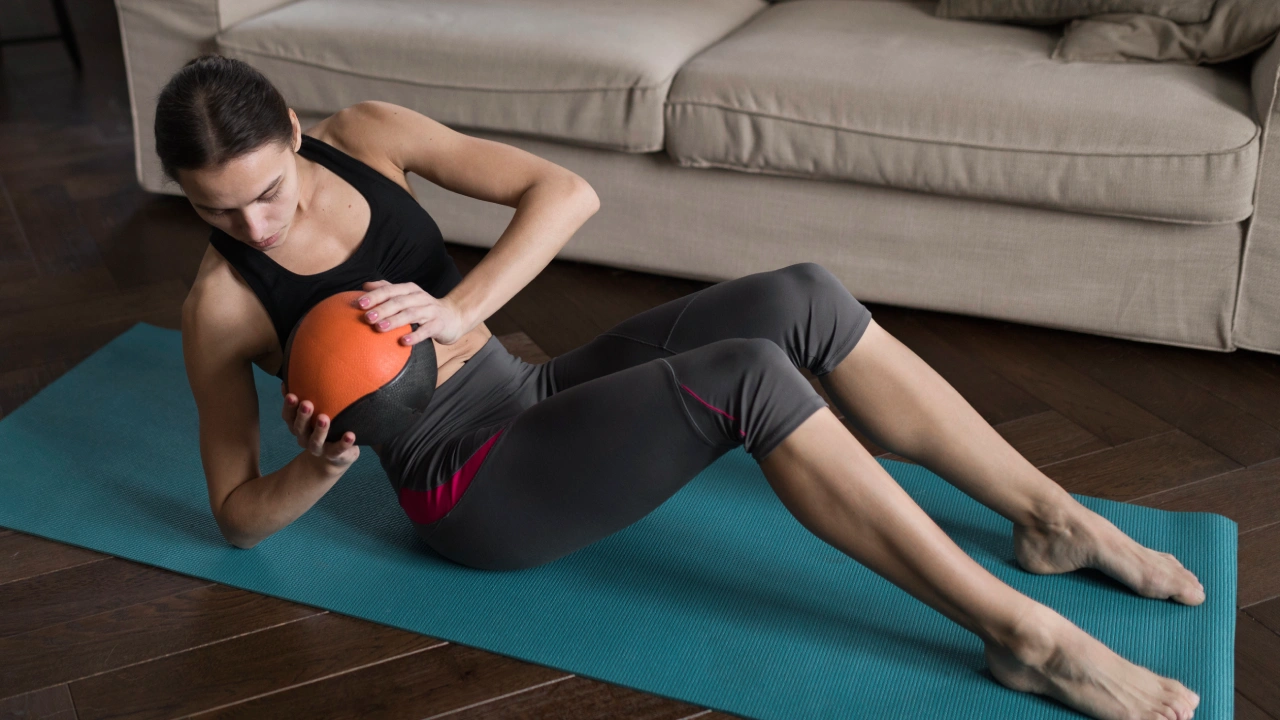
Unlike standard core exercises, Pelvic Floor Physiotherapy focuses on muscle activation, timing, and coordination rather than simple contraction. First, exercises strengthen the deep stabilizers, which allow the larger, visible muscles to function more effectively. Therapy also teaches proper breathing patterns, Posture, and functional movement strategies, ensuring that core stability becomes a natural part of everyday life.
Many people exercise their abs without realizing that deep core muscles, including the pelvic floor, remain dormant. Pelvic Floor Physiotherapy helps identify and activate these muscles, enhancing the foundation of the core. Proper activation improves balance and stability during movements, reduces the risk of strain, and sets the stage for more effective workouts or daily activities.
Poor Posture often stems from pelvic floor imbalances. Weak or inactive muscles can lead to hip tilt, swayback, or forward pelvic rotation, which in turn increases tension in the lower back and shoulders. Pelvic Floor Physiotherapy realigns the pelvis with the spine and promotes awareness of natural Posture. Over time, patients notice less slouching, reduced tension, and improved spinal alignment, all of which contribute to more efficient movement.
When the pelvic floor is underactive, other muscles compensate, leading to quicker fatigue. Everyday activities—like lifting grocery bags, standing for long periods, or walking long distances—can feel exhausting. Pelvic Floor Physiotherapy retrains the body to distribute effort evenly, reducing unnecessary tension in surrounding muscles. This builds endurance and comfort during daily tasks and physical exercise.
Pregnancy, childbirth, or abdominal Surgery can weaken pelvic floor muscles and disrupt coordination. Pelvic Floor Physiotherapy offers structured guidance to safely restore strength and control. Gentle activation exercises gradually rebuild tone and coordination without overstraining the muscles. Over time, patients regain core stability, improve bladder control, and reduce discomfort associated with recovery.
The diaphragm and pelvic floor work together to regulate intra-abdominal pressure. When this system is out of sync, core stability is compromised, and movements may feel unsteady. Pelvic Floor Physiotherapy integrates controlled breathing techniques with muscle activation to help the body maintain balance and stability. Improved breathing also enhances oxygen flow, which benefits endurance and overall energy levels.
Lower-back discomfort often arises when the pelvic floor isn’t providing adequate support. Muscles in the back and hips overcompensate, leading to tightness and pain. Pelvic Floor Physiotherapy restores balance, relieving strain on the lumbar region and improving overall Mobility. Patients often notice more freedom of movement and reduced pain in both everyday activities and exercise routines.
Tasks like lifting, bending, climbing stairs, or even reaching overhead rely on pelvic floor engagement. When these muscles are trained adequately through Pelvic Floor Physiotherapy, they activate automatically during movement, reducing the risk of strain or injury. This functional strength supports both normal activities and physical challenges, providing a foundation for consistent performance and safety.
Weak core support can make people hesitant to engage in certain activities, as they fear discomfort or instability. Pelvic Floor Physiotherapy retrains the body to move with stability, helping patients regain trust in their own strength. This Confidence can encourage more active lifestyles, better engagement in exercise routines, and smoother execution of everyday tasks.
The benefits of Pelvic Floor Physiotherapy extend beyond individual sessions. Through consistent practice and proper guidance, patients develop a strong foundation that supports long-term core stability. The therapy focuses on retraining muscle coordination and maintaining functional strength, which continues to benefit Posture, movement efficiency, and overall stability for years to come.
Integrating therapy into daily life is key to maximizing results. Some helpful strategies include:
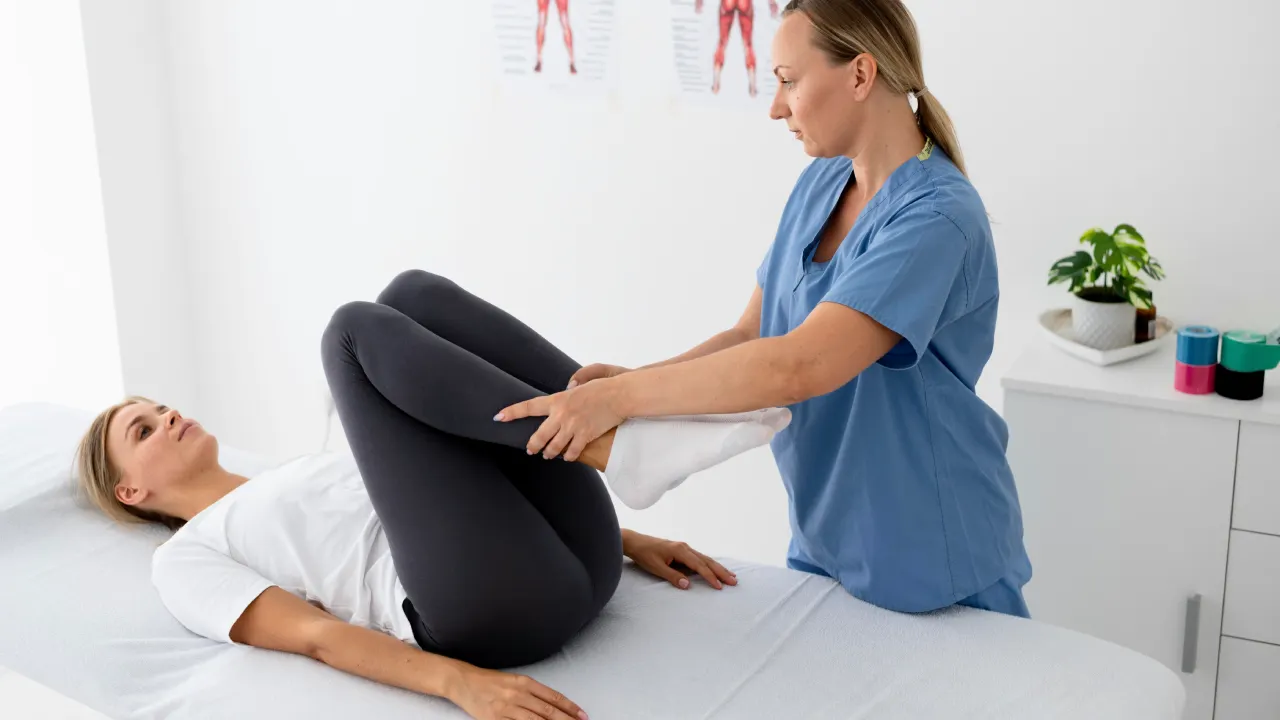
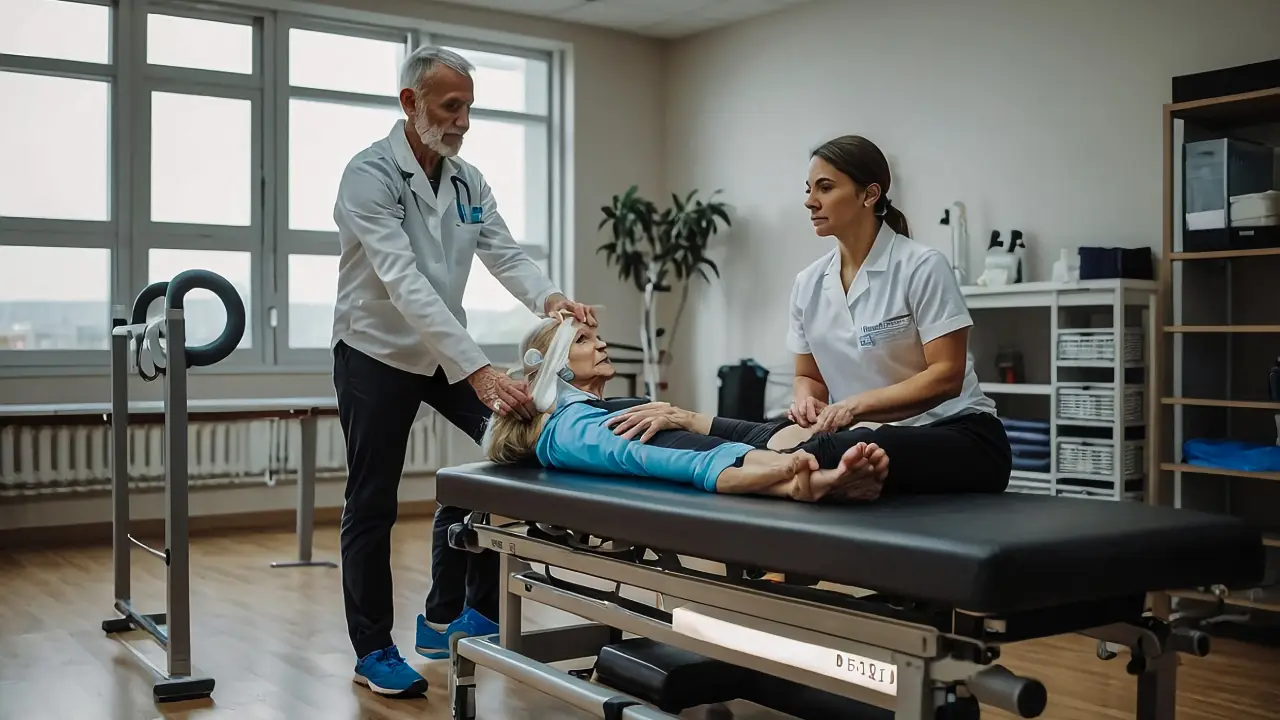
While you can perform some exercises independently, using improper technique can reduce their effectiveness or cause strain. Pelvic Floor Physiotherapy provides structured evaluation, personalized exercises, and ongoing guidance to ensure safe and effective strengthening. Working with a trained professional ensures steady, measurable progress suited to individual needs.
For those living near Derry Road seeking reliable ways to restore core stability and function, Pelvic Floor Physiotherapy is an effective solution. Whether recovering from Surgery, postpartum changes, or addressing tension and weakness, therapy can help the body move more efficiently and comfortably. Residents looking for guided support can rely on Hands That Cure Physical Therapy & Rehab Clinic to rebuild core strength, improve movement quality, and regain Confidence in daily life.
 Optimized by Seraphinite Accelerator