9 Immediate Actions to Take After Workplace Injuries in Mississauga

9 Immediate Actions to Take After Workplace Injuries in Mississauga
What Are Workplace Injuries in Mississauga?
Workplace injuries in Mississauga refer to physical harm that occurs while performing tasks or duties related to employment. These can range from sudden incidents like slips, trips, and falls to longer-developing conditions such as repetitive strain injuries. Commonly affected areas include the back, shoulders, knees, and wrists.
In sectors such as construction, manufacturing, retail, and even office-based work environments, employees in Mississauga may encounter conditions that increase the risk of injury. Recognizing what qualifies as a workplace injury is the first step toward taking appropriate and timely action.
Why Immediate Action Is Crucial
The first few hours after a workplace injury are critical. Delayed response can lead to increased pain, prolonged recovery, or the development of chronic conditions. From a procedural perspective, timely reporting and documentation are also necessary for insurance coverage and legal compliance.
Taking immediate steps can help prevent complications, provide clear evidence of the injury, and ensure access to appropriate treatment especially for injuries requiring physiotherapy or ongoing rehabilitation.
How to Respond Effectively to Workplace Injuries in Mississauga
Handling workplace injuries in Mississauga requires a calm and systematic approach. Here are nine immediate actions to take if you or a coworker is injured on the job.
1. Move to a Safe Area
If an injury occurs, the first priority is ensuring safety. Remove yourself or the injured person from any immediate danger such as moving machinery, electrical hazards, or chemical exposure. Staying in a hazardous area could worsen the injury or result in additional harm.
This first action helps control the environment and prepares for appropriate first aid or emergency response without further risk.
2. Administer First Aid or Call for Medical Help
Basic first aid can make a meaningful difference, especially if there's bleeding, swelling, or limited movement. For more severe injuries, such as fractures or head trauma, emergency medical services should be contacted immediately.
Having access to a properly stocked first aid kit and trained personnel can help stabilize the injured person until professional care is available.
3. Notify a Supervisor or Manager Right Away
Prompt communication with a supervisor or manager is essential. Reporting the incident ensures that the injury is logged according to workplace policy and that any immediate actions—like stopping equipment or notifying safety personnel are taken.
This step is also crucial for starting any internal reporting or workers' compensation procedures that may be required.
4. Document the Incident in Detail
Accurate and detailed documentation supports the investigation and potential insurance claims. Include the time, date, location, how the injury happened, what body part was affected, and whether anyone witnessed the event.
If possible, take photographs of the scene and the injury. This record may be important for your recovery process and for explaining the injury to a physiotherapist or medical provider.
5. Seek a Full Medical Evaluation
Even if the injury appears minor, a medical assessment should be conducted to identify any underlying issues. Workplace injuries in Mississauga often involve soft tissue damage or joint strain, which may not cause immediate pain but can worsen over time.
A physician or physiotherapist can determine the severity of the injury and recommend a treatment plan based on your symptoms and functional limitations.
6. Book a Physiotherapy Assessment Early
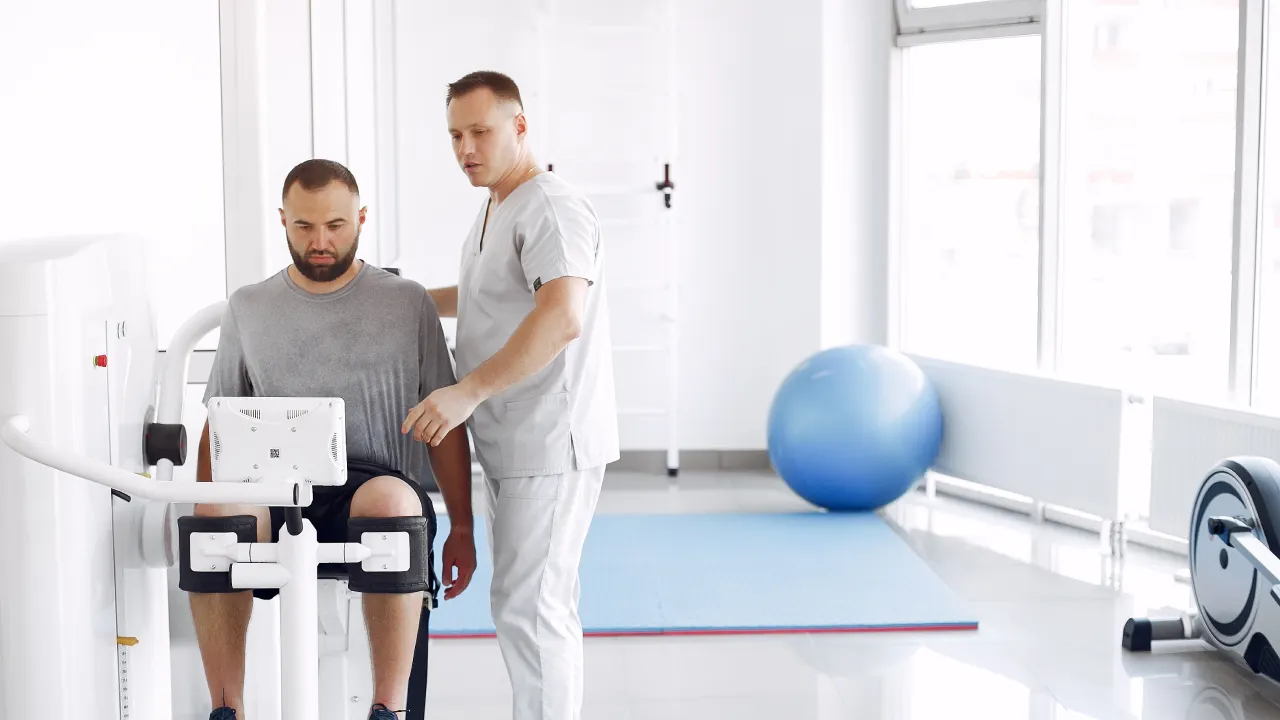
For many musculoskeletal injuries such as strains, sprains, or back pain, early physiotherapy intervention is beneficial. A physiotherapist can assess movement patterns, strength, and range of motion to create a recovery plan aimed at restoring function and minimizing downtime.
In Mississauga, physiotherapy is commonly part of the return-to-work process, particularly for injuries sustained on the job. Addressing these issues early can reduce the likelihood of long-term discomfort or restricted mobility.
7. File a Workers’ Compensation Claim
If the injury results in medical treatment, time off work, or both, a workers’ compensation claim should be filed. In Ontario, the Workplace Safety and Insurance Board (WSIB) handles these claims.
Filing requires medical documentation and detailed incident reports, which are easier to compile when action is taken immediately. Understanding this process early helps avoid unnecessary delays in receiving treatment approvals or wage replacement.
8. Follow the Treatment and Recovery Plan
After diagnosis and treatment planning, it’s important to adhere to the prescribed regimen. This might include physiotherapy appointments, home exercises, medication, or activity modifications. Following through ensures the injury heals properly and supports a gradual return to work.
Ignoring medical or therapy instructions can lead to setbacks or additional injuries, particularly when returning to physically demanding tasks.
9. Communicate Regularly with Your Employer and Care Team
Ongoing communication helps manage expectations and ensures that all parties involved your employer, physician, and physiotherapist are informed about your recovery progress. This collaboration is especially helpful when planning modified duties or graduated return-to-work programs.
Sharing updates allows adjustments to be made in your treatment or work responsibilities, minimizing the chance of re-injury.
Moving Forward
Workplace injuries in Mississauga can disrupt daily life and job responsibilities, but immediate action helps reduce those effects. A calm, informed response is essential to managing the physical impact of the injury and meeting the procedural requirements for documentation and compensation.
By taking these nine immediate actions moving to safety, giving first aid, reporting the incident, documenting everything, seeking medical and physiotherapy evaluation, filing a claim, following the recovery plan, and maintaining open communication you can support both recovery and return to work.
Physiotherapy plays a central role in many workplace injuries by addressing pain, improving movement, and facilitating healing. If you or someone you know experiences a workplace injury in Mississauga, consulting a physiotherapist early may help promote better recovery and reduce the risk of lasting limitations.