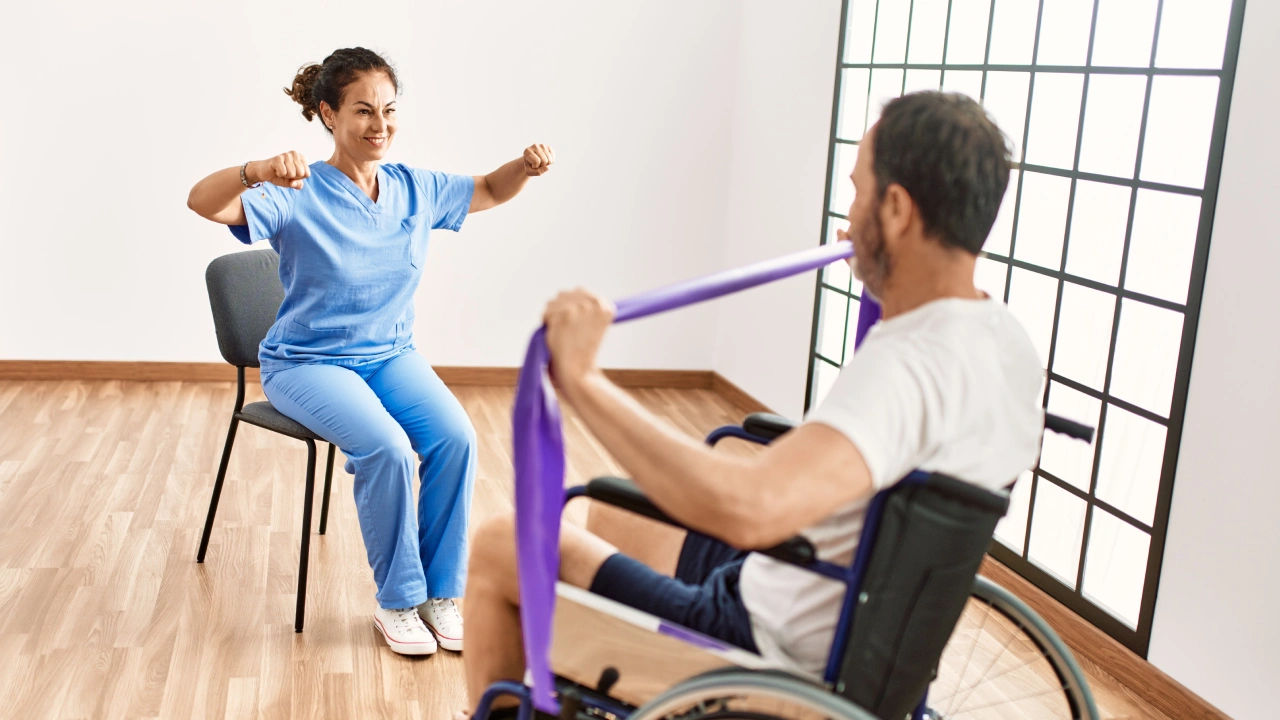

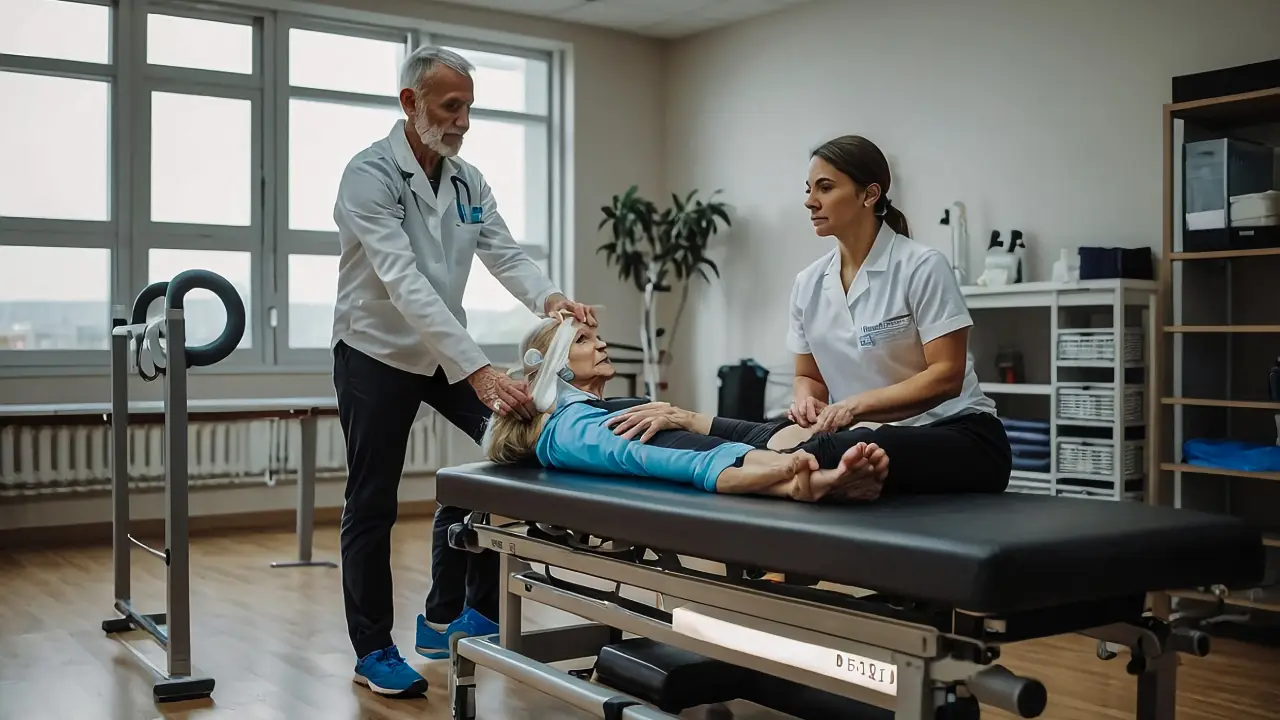




Sports injuries can interrupt routines, affect performance, and lead to long periods of inactivity. Whether you're a weekend warrior, a competitive athlete, or simply someone who enjoys staying active, recovering from an injury quickly—and correctly—matters. Sports injury therapy plays a key role in helping individuals get back on their feet by supporting the healing process and improving overall function.
In this article, we explore seven ways this form of therapy can assist with recovery, while highlighting who can benefit and why it’s more than just a short-term fix.
Injury often leads to restricted movement, stiffness, or even muscle guarding. Sports injury therapy includes specific movement-based techniques designed to target the affected area without placing unnecessary strain on healing tissues.
Therapists create controlled routines that allow gradual progress. Instead of full rest—which can lead to loss of strength and flexibility—these targeted exercises activate muscles safely and maintain joint mobility. This helps prevent secondary issues and speeds up the return to regular activity.
Who benefits most?
Athletes recovering from strains, sprains, or overuse injuries often find that guided movement helps maintain conditioning without compromising healing.
Swelling is the body’s natural reaction to trauma, but when it lingers, it can interfere with healing. Many therapy techniques focus on stimulating circulation, helping the body move fluid away from the injured area more efficiently.
Hands-on techniques such as soft tissue work and gentle mobilizations, combined with appropriate use of heat or cold, encourage fresh blood flow. This improves oxygen delivery to the tissues and helps flush out waste byproducts.
Why this matters:
Better circulation means faster tissue repair, and less swelling often equals reduced discomfort and improved movement.
Injuries, especially to the lower body, can throw off your sense of balance and coordination. Even after pain subsides, instability can linger and raise the risk of re-injury.
Therapists address this by incorporating balance training, joint stabilization exercises, and proprioceptive feedback. These are especially important for injuries involving the ankles, knees, hips, or shoulders—areas that rely heavily on precise control.
Real-world impact:
Rebuilding stability ensures you return stronger and more prepared to handle the demands of your activity, whether that’s sprinting, swimming, or everyday walking.
Many sports-related injuries are caused by underlying movement patterns or muscle imbalances. Sports therapy doesn’t just focus on the injury—it looks at the bigger picture.
Therapists assess posture, gait, muscle strength, and mobility to pinpoint contributing factors. This could be anything from tight hips causing knee strain, to poor core strength affecting spinal alignment.
Why this is valuable:
Treating the source, not just the symptom, prevents recurring injuries and leads to better performance in the long run.
Physical recovery is only one piece of the puzzle. Injuries can be mentally frustrating, especially for athletes who thrive on consistent activity. Progress may be slow, setbacks may happen, and motivation can drop.
Working closely with a therapist provides structure, encouragement, and a clear plan forward. This regular support can help individuals stay focused, committed, and mentally engaged during what can otherwise be a draining process.
How it helps:
A steady plan creates a sense of direction and accomplishment. Small milestones in therapy often restore confidence and a positive mindset.
After an injury, muscles may not “fire” correctly even after pain decreases. This means certain muscles can weaken or become inactive while others overcompensate, creating new movement problems.
Therapists use exercises that reconnect the brain and body, encouraging the correct muscles to activate in the right sequence. This process improves coordination, posture, and efficiency of movement.
The advantage here:
Better muscle control means smoother movement, fewer compensations, and a lower chance of creating strain elsewhere in the body.
One of the biggest risks after injury is returning to sport too early or progressing too quickly. Without a gradual build-up, the body isn’t ready for the demands of training or competition.
Sports therapy provides a progressive plan based on the individual’s sport, position, and goals. Rather than jumping back in blindly, the return is calculated, monitored, and adjusted based on how the body responds.
Who this benefits:
Anyone preparing to return to competitive play, physical work, or regular workouts. A structured path minimizes re-injury risk and improves long-term physical health.
While it may seem like therapy is only for elite athletes, the reality is far more inclusive. It’s ideal for:
If the goal is to recover while maintaining strength, flexibility, and control—therapy plays a key part.
Injury can feel like a setback, but with the right approach, it can also be a chance to learn more about your body, improve how you move, and build resilience. Sports injury therapy creates a space for recovery that focuses on improvement—not just healing.
Progress isn’t always about pushing harder; sometimes, it’s about rebuilding smarter.
If you're dealing with an injury that’s holding you back, exploring the right form of therapy can make a real difference. From restoring movement to refining muscle control, the benefits are wide-ranging. And more importantly, it gives you a roadmap forward—so you’re not just waiting to feel better, but actively working toward it.
Let your recovery be active, informed, and built to support what matters most to you—getting back to what you enjoy.
 Optimized by Seraphinite Accelerator