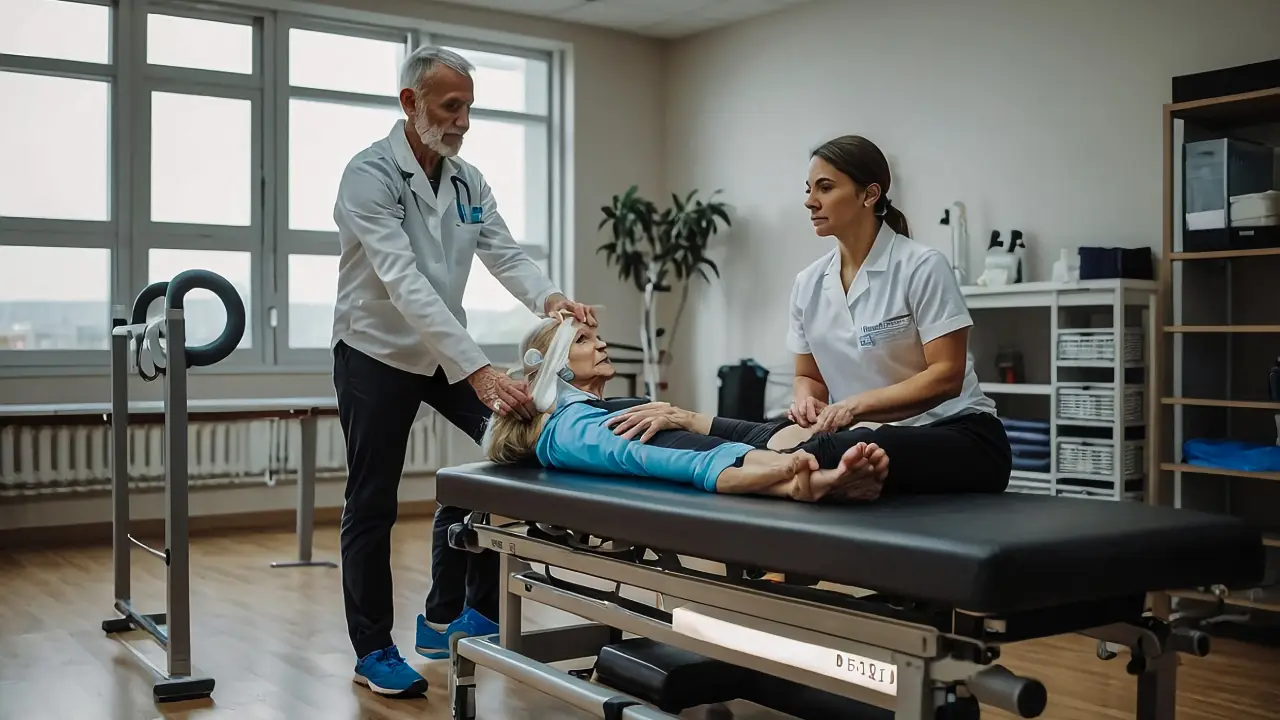

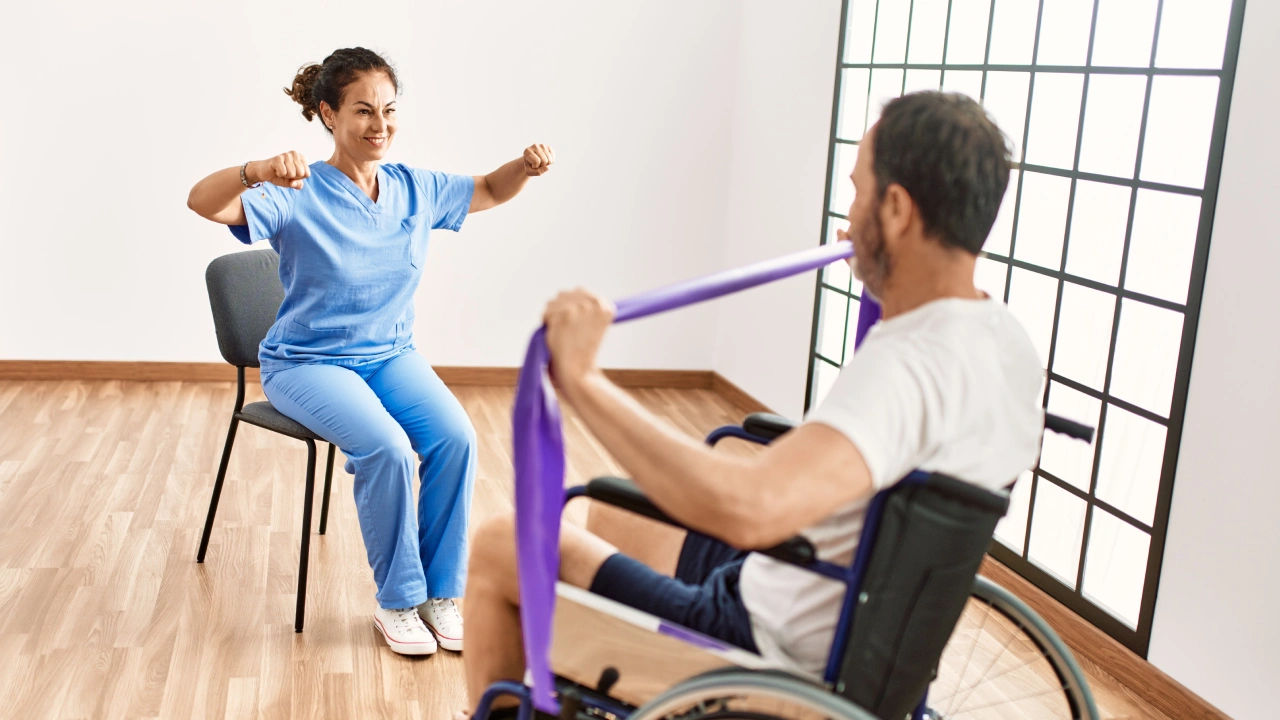


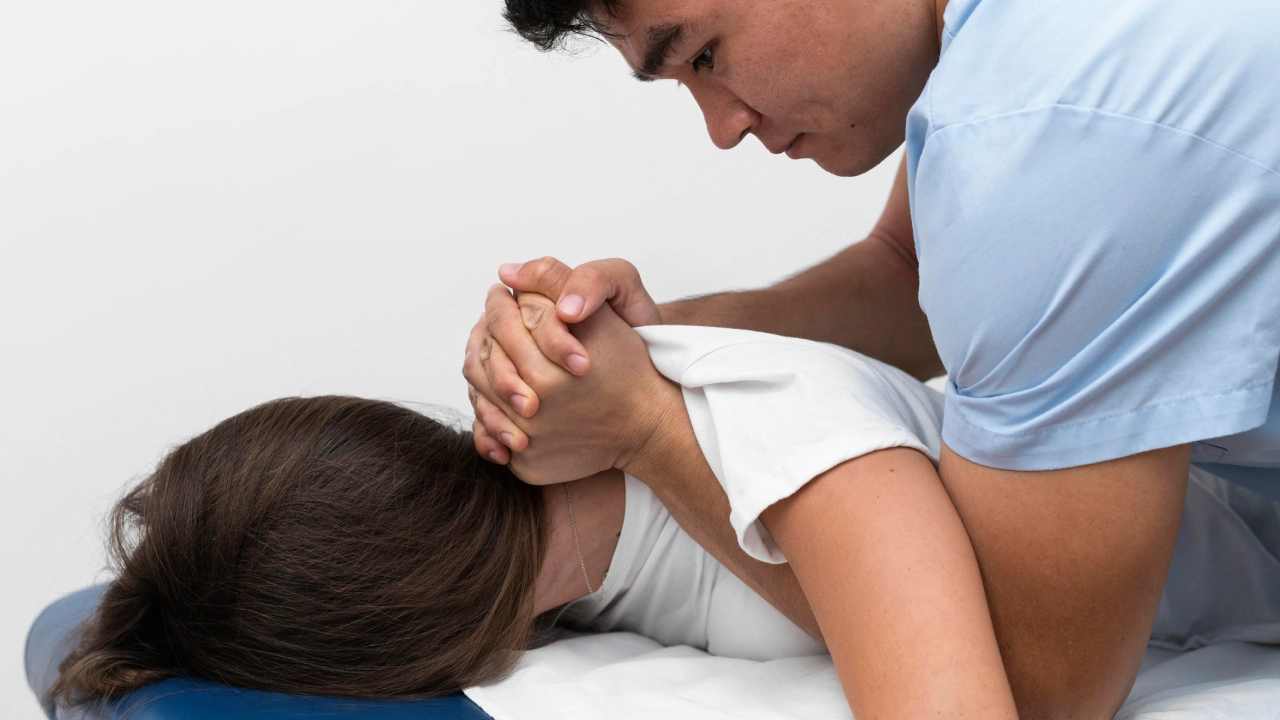


Recovering from Surgery often comes with challenges that go beyond the immediate healing of incisions. Many patients experience muscle and joint stiffness, which can hinder Mobility and prolong recovery. A dedicated physiotherapist plays a crucial role in providing strategies to help manage this stiffness, restore movement, and improve comfort. This article explores seven practical tips to aid recovery after Surgery, with a strong emphasis on the pivotal role of professional physiotherapy supporting the process.
After Surgery, the body naturally enters a period of reduced movement. It can lead to tight muscles, limited joint range of motion, and discomfort during everyday activities. Post-surgery stiffness is standard, particularly after procedures involving the back, shoulders, knees, or hips. Left unmanaged, it may slow recovery and affect overall function. Engaging a physiotherapist early can address stiffness before it becomes a more significant problem.
Understanding the reasons behind post-surgery stiffness can provide a sense of Relief. Surgical procedures often require immobilizing specific body parts to protect healing tissues. While this is a necessary step, prolonged inactivity can lead to joint stiffness and muscle tension. Swelling, scar tissue formation, and changes in Posture during recovery can further reduce Mobility. A physiotherapist guides you in safely introducing movement and therapy to reduce the risk of long-term complications.
Physical therapy after Surgery focuses on restoring movement, strength, and function. A physiotherapist evaluates each patient’s condition and develops an individualized plan. This plan can include gentle exercises, stretching routines, Posture training, and hands-on techniques to target areas of stiffness and improve overall Mobility. Regular sessions also enable therapists to monitor progress and adjust treatments in line with recovery milestones.
One of the first recommendations from a physiotherapist is to start gentle, controlled movement as soon as it is safe to do so. Early mobilization improves circulation, prevents stiffness, and supports tissue healing. Movements are tailored to the type of Surgery and overall health, ensuring safety while encouraging gradual flexibility in affected areas.
Every post-surgery recovery journey is different. A physiotherapist creates a personalized exercise program focusing on stretching, strengthening, and Mobility. Exercises target specific muscles and joints to regain range of motion. Following this program consistently can prevent stiffness from becoming a persistent issue and accelerate overall recovery.
Heat and cold therapy are practical tools in managing post-surgery stiffness. A physiotherapist may recommend warm compresses to relax tight muscles before exercise and cold packs to reduce inflammation after activity. Alternating between heat and cold, as advised by a physiotherapist, helps manage discomfort and supports recovery safely.
Posture plays a critical role in reducing stiffness. Poor alignment can place strain on healing muscles and joints, slowing recovery. A physiotherapist provides guidance on maintaining proper Posture while sitting, standing, or moving. Correct alignment ensures that recovery exercises are more effective and reduces the risk of additional tension or injury.
Some patients benefit from supportive devices during recovery. A physiotherapist in Derry Road, Mississauga, may suggest braces, slings, or walkers to support the affected area while allowing safe movement. These devices help maintain independence and protect healing tissues, especially in the early stages after Surgery.
Rushing into regular activity can lead to setbacks. A physiotherapist in Derry Road, Mississauga, recommends gradually increasing movement and exercise intensity. Starting with low-impact exercises and progressively increasing duration and complexity helps prevent re-injury while encouraging muscles and joints to regain flexibility at a safe pace.
Consistent follow-up is not just necessary, it’s essential for monitoring progress. Regular sessions with a physiotherapist in Derry Road, Mississauga allow therapists to adjust exercises, provide hands-on therapy, and educate patients on safe techniques for daily activities. These sessions actively manage stiffness, keep recovery on track, and steadily improve overall Mobility, making regular physiotherapy check-ins crucial to your recovery journey.
While physiotherapy provides structured guidance, it’s essential to listen to your body. Mild discomfort during exercises is normal, but sharp pain or swelling signals the need to pause and consult your physiotherapist in Derry Road, Mississauga. Recognizing your limits helps prevent complications and supports a smooth recovery journey.
Managing post-surgery stiffness is crucial for regaining Mobility and resuming daily activities. Following these seven tips—from gentle movement and tailored exercise plans to Posture guidance, assistive device use, gradual activity increase, and regular physiotherapy check-ins—can make a noticeable difference in recovery. Engaging a physical therapist in Derry Road, Mississauga ensures that each step is safe, effective, and tailored to your needs.
For residents in Derry Roa, Mississauga, seeking professional care, Hands That Cure Physical Therapy & Rehab Clinic offers personalized physiotherapy programs designed to address post-surgery stiffness and support recovery. Their team of specialists helps patients regain comfort, movement, and Confidence during the healing process.
 Optimized by Seraphinite Accelerator