3 Ways Massage Therapy in Mississauga Complements Physiotherapy

3 Ways Massage Therapy in Mississauga Complements Physiotherapy
What Is Massage Therapy in Mississauga?
Massage therapy in Mississauga involves the hands-on manipulation of muscles, fascia, tendons, and ligaments. The goal is to improve circulation, ease tightness, and support mobility. Delivered by a registered therapist, massage sessions often use a combination of pressure, movement, and rhythm to promote better physical function.
This form of care is not limited to relaxation. It plays a focused role in musculoskeletal health. For individuals dealing with strain, stiffness, or injury, massage therapy can support the body’s natural processes. Techniques vary depending on the issue—some target deep layers of muscle, others help the nervous system reduce tension or restore balance.
Why Combine Massage Therapy with Physiotherapy?
While physiotherapy often involves guided movement, therapeutic exercise, and corrective techniques, it sometimes meets resistance from the body. That resistance can come in the form of tight fascia, inflamed tissues, or deeply held tension. In these situations, massage therapy in Mississauga complements physiotherapy by loosening restrictions and improving tissue readiness for movement.
The goal of combining both is to support each discipline’s strengths. Massage helps improve circulation, reduce physical stress, and enhance flexibility, making it easier for physiotherapy to address postural issues, mobility deficits, or strength imbalances. Clients pursuing both therapies frequently report improved motion, reduced soreness, and better engagement in their overall recovery plan.
How Does Massage Therapy in Mississauga Enhance Recovery?
Massage is a tool to prepare and support the body before, during, and after physiotherapy. It helps release soft tissue limitations that can interfere with therapeutic exercises and allows for more efficient recovery between sessions.
Below are three specific ways that massage therapy in Mississauga supports physiotherapy and improves its overall impact.
1. Prepares the Body for Therapeutic Exercise
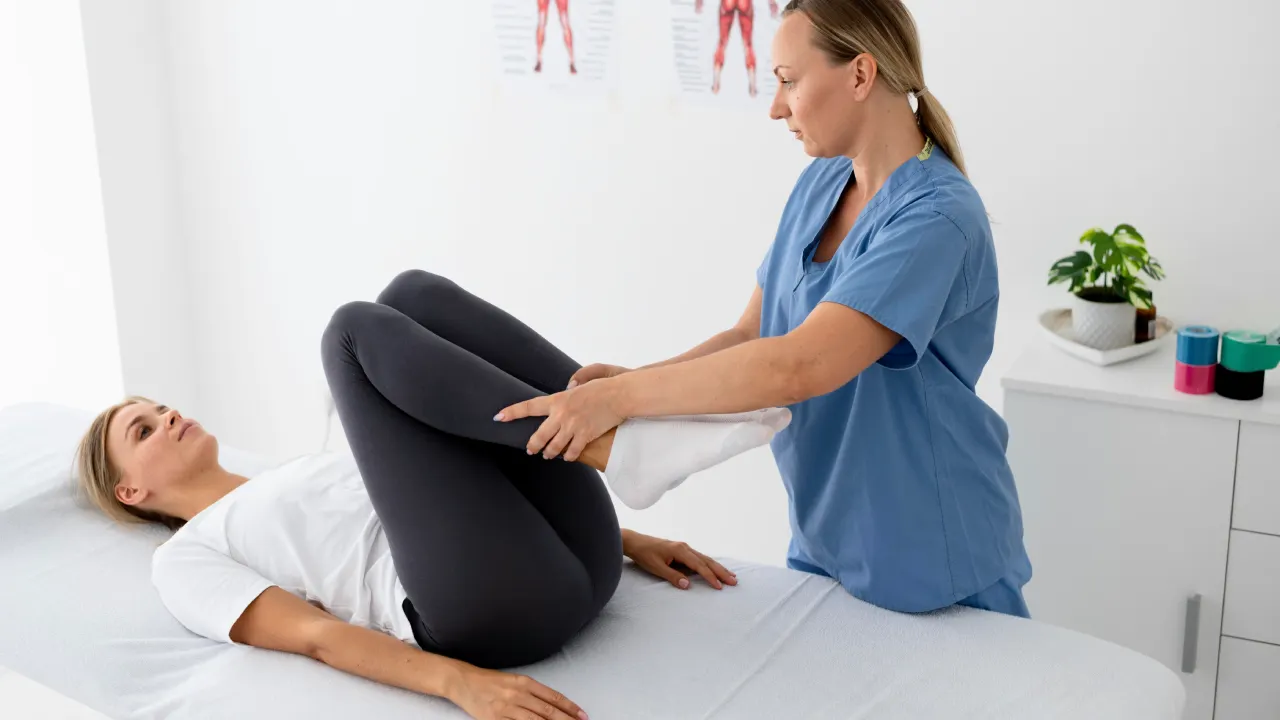
Clients entering physiotherapy with restricted movement may struggle to perform basic mobility drills or exercises. Tightness, scar tissue, and chronic muscular tension limit range of motion. When this happens, massage therapy in Mississauga can be used before physiotherapy sessions to soften tissue, reduce guarding, and increase flexibility.
This preparation allows physiotherapy to start from a more effective baseline. Muscles respond better to stretching and activation, while joints move more freely. Techniques such as myofascial release, deep tissue work, and trigger point therapy are especially useful in preparing the body.
In cases such as frozen shoulder or postural strain, massage helps relax the surrounding muscles and create space for the targeted physiotherapy work. Clients often find that exercises feel more manageable when preceded by soft tissue work, which sets the stage for better results.
2. Supports Recovery Between Physiotherapy Sessions
As the body adapts to new movement patterns or strengthens weakened areas, it can react with soreness, tightness, or fatigue. This is a normal part of the recovery cycle. However, it can also slow progress or discourage consistency if not addressed.
Massage therapy in Mississauga helps the body process these effects by promoting lymphatic drainage, increasing circulation, and calming overworked muscles. This process not only reduces delayed soreness but also supports healing in tissues that are being challenged by physiotherapy routines.
For clients recovering from sprains, joint replacements, or repetitive strain injuries, massage therapy can reduce inflammation, release muscle imbalances, and decrease compensatory movement patterns that otherwise interfere with functional gains.
At Hands That Cure Physical Therapy & Rehab Clinic, we frequently integrate massage sessions into rehabilitation plans, especially when clients report fatigue or tightness between physiotherapy visits.
3. Improves Body Awareness for More Effective Movement
One of the key goals in physiotherapy is to restore efficient, pain-free movement. This requires individuals to become more aware of how they use their bodies—where tension builds, how posture shifts, and which patterns might be contributing to discomfort.
Massage therapy in Mississauga plays a role in developing this awareness. During sessions, clients learn to identify areas of sensitivity or imbalance they weren’t previously conscious of. That awareness translates into greater control during physiotherapy exercises.
When someone becomes more connected to their physical habits, they can correct imbalances faster, avoid re-injury, and get more from each physiotherapy appointment. In this way, massage is not just supportive—it becomes educational. Clients move better, with more precision, because they understand their physical limitations and progress points more clearly.
Massage also supports mental engagement. Feeling more relaxed and in-tune helps people stay focused on their rehabilitation, building consistency and encouraging full participation in their recovery.
When Should You Combine the Two?
Not every client will need both services, but there are several situations where combining massage therapy in Mississauga with physiotherapy is especially useful:
- Stiffness or limited mobility that makes it difficult to stretch or move.
- Post-surgical recovery, where tissue needs gradual release and circulation support.
- Ongoing tension patterns, such as tight upper back or hips, that resist change through movement alone.
- Chronic conditions, like sciatica or tension headaches, where massage helps manage recurring symptoms.
- High physical demand, such as for athletes, where massage supports recovery without interrupting training.
These scenarios all benefit from massage's ability to reduce physical resistance, making it easier for physiotherapy to take effect.
Integrated Care in Practice
At our clinic, we approach care from a collaborative angle. Physiotherapists and massage therapists share notes and align treatment plans. This ensures that massage therapy in Mississauga isn’t a standalone session but an integrated part of each client’s physical care journey.
For example, if a client is working to improve hip mobility, massage may target the glutes and lower back to reduce tension, while physiotherapy will focus on functional exercises to strengthen and stabilize the area. Over time, both approaches build on each other, creating a foundation for improved movement.
Massage sessions are often used before physiotherapy to prepare the body, and sometimes afterward to support recovery. The goal is continuity care that evolves as the client progresses.
Moving Forward
While physiotherapy focuses on restoring function through targeted movement and strengthening, massage therapy in Mississauga provides the support needed to make that work more efficient. It prepares the body, promotes recovery, and builds physical awareness three outcomes that can significantly improve rehabilitation outcomes.
For individuals navigating injury recovery, stress-related tension, or postural discomfort, combining these two forms of care offers a thoughtful approach. With consistent application and personalized care plans, individuals can move forward with greater comfort and control over their physical well-being.