




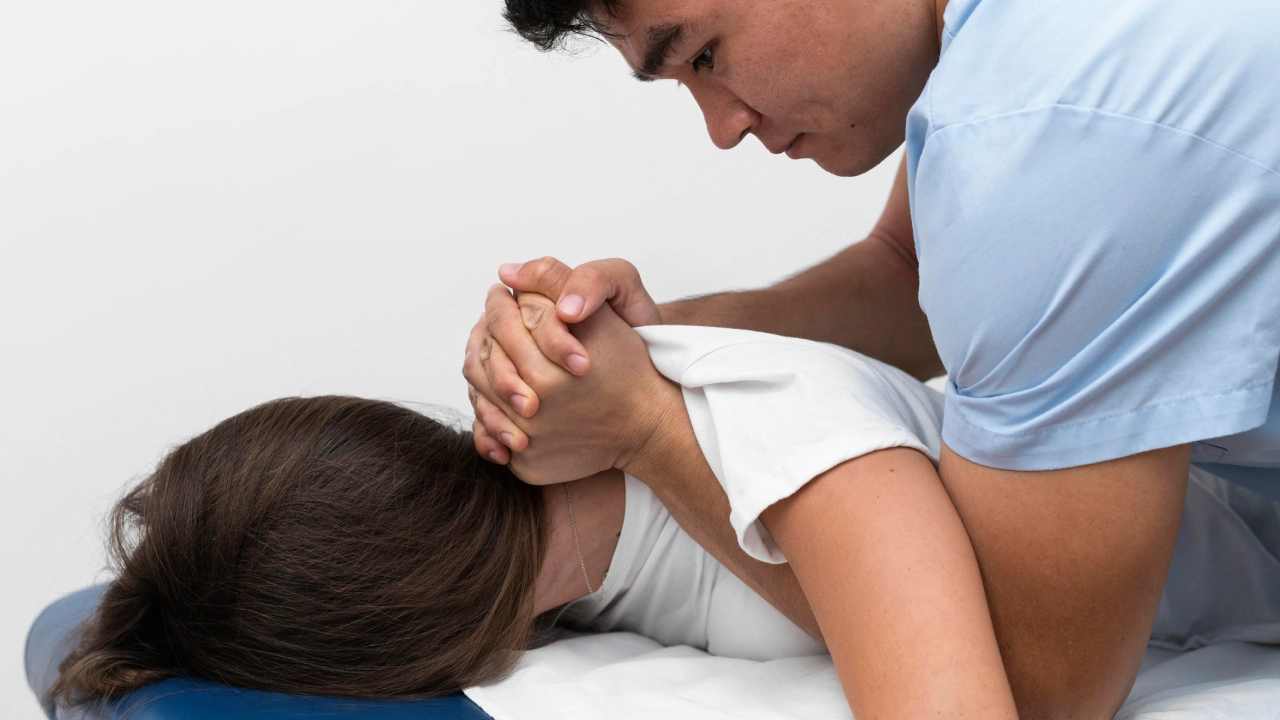


Massage therapy offers more than just relaxation it plays a key role in managing pain, improving circulation, and supporting muscle recovery. But here’s the part many overlook: what you do between sessions matters just as much as the sessions themselves.
If you’re receiving Massage Therapy in Derry Road, your daily routine can either support or slow down the progress you’re making. This blog outlines 10 simple, practical habits that help your body get more out of each visit. These are easy to implement, work well alongside physiotherapy, and require no fancy tools.
Massage therapy works by releasing tension, improving mobility, and enhancing soft tissue recovery. However, if you're sitting for hours, neglecting hydration, or sleeping poorly, the benefits fade quicker. That’s where daily habits come in… they reinforce the improvements made during your therapy sessions and help your body reset more effectively.
Let’s explore the 10 habits that can help you support your recovery and maintain results.
Hydration helps your muscles recover and your lymphatic system flush out waste. Aim for 8–10 glasses a day, especially on days you receive a massage. Skip sugary drinks—stick to water or herbal teas.
Simple stretching routines improve blood flow and keep your joints mobile. Focus on areas that tend to tighten—hamstrings, neck, shoulders, and hip flexors. This also prepares your body for the day and reduces the chance of muscle imbalances returning.
If your job keeps you seated for hours, build in 2–3 minutes of movement every 30–60 minutes. Try shoulder rolls, standing leg swings, or light torso twists. Movement breaks reduce muscle stiffness and support the goals of your massage therapy.
Between sessions, you can support tissue recovery by using a foam roller or a lacrosse ball for targeted self-massage. Focus on areas where your therapist has worked. Don’t overdo it—gentle pressure works better than aggressive rolling.
Posture isn’t just for the office chair. Be mindful of how you sit on the couch, drive, or scroll on your phone. Keep your shoulders relaxed, chin tucked, and lower back supported. Good posture maintains the alignment your therapist is working to restore.
A daily walk, even around your block, improves circulation, loosens joints, and keeps muscles engaged. Walking is especially helpful if you’re dealing with lower back or hip tension.
Doing gentle stretches before sleep helps calm your nervous system and prevents muscles from tightening overnight. Focus on slow, deep breathing and hold each stretch for 20–30 seconds.
Massage therapy stimulates recovery, but that process continues while you sleep. Aim for 7–9 hours of restful sleep, keep a regular bedtime, and avoid screens for at least 30 minutes before sleeping.
Give your muscles time to settle after therapy. High-impact exercise immediately after a session can lead to tightness returning. Instead, opt for gentle movements or yoga within the first 24 hours.
Keep a simple journal of how your body feels after sessions and what activities improve or aggravate it. This helps both you and your therapist understand your progress better and adjust your treatment plan accordingly.
The goal of Massage Therapy in Derry Road is not just short-term ease, but ongoing improvement. When you integrate these small adjustments into your day, you actively participate in your recovery. The sessions become more effective, the benefits last longer, and your progress is more consistent.
Daily care doesn't need to be complex. A bit of stretching, some movement, and good hydration go a long way. By committing to these routines, you build on the work done in each session and create better outcomes for your health.
If you’re looking to incorporate Massage Therapy in Derry Road into your recovery plan or wellness routine, it helps to have the right support and guidance. At Hands That Cure Physical Therapy & Rehab Clinic, massage therapy is just one part of a broader approach to helping you stay active and manage pain more effectively.
 Optimized by Seraphinite Accelerator